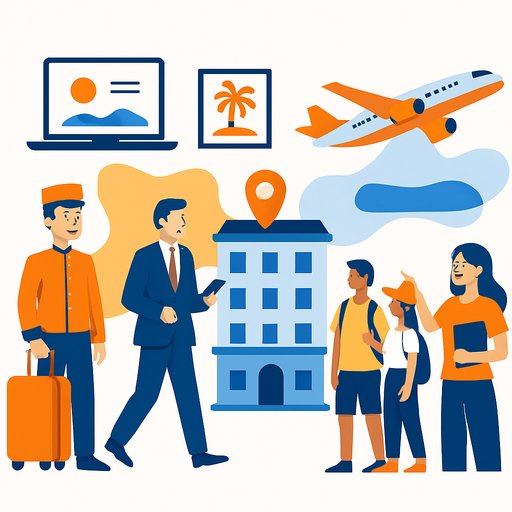
The hospitality and tourism industry stands as one of the largest and most stable employment sectors worldwide. From 2025 to 2035, expect this industry to transform significantly, influenced by advancements in technology, a focus on sustainability, shifting traveler preferences, and economic growth—especially in emerging markets like India. For undergraduate students, this decade offers promising career opportunities if they commit to learning new skills and adapting to changes.
Global Trends (2025–2035)
- Smart Hospitality
Automation, AI, and IoT will shape guest experiences. Think voice-activated rooms, facial recognition check-ins, and services customized through data insights. - Sustainable Tourism
Eco-friendly hotels, zero-waste initiatives, and green travel options will become standard as travelers and regulators prioritize responsible tourism. - Experience-First Travel
Travelers will look for meaningful, immersive experiences focusing on local culture, food, nature, and wellness rather than just sightseeing. - Hybrid and Remote-Friendly Hospitality
The rise of workations and digital nomad hubs will drive demand for services combining business and leisure (bleisure). - AI, Data & Personalization
Big data will enable hotels and tour companies to offer personalized itineraries, wellness programs, and other tailored experiences.
India-Specific Trends (2025–2035)
- Domestic Tourism Boom
With a growing middle class and improved infrastructure, Tier 2 and Tier 3 cities are becoming popular travel destinations. Religious, cultural, and wellness tourism will see strong growth. - Government Support & Investment
Programs like Dekho Apna Desh, Swadesh Darshan, and PM Gati Shakti are boosting tourism infrastructure and creating jobs. - Digital Transformation of Indian Hospitality
Mobile-first booking platforms, regional language support, and AI-powered guest engagement are reshaping operations. - Sustainable Hospitality
Hotels are adopting solar power, waste segregation, and eco-certifications to meet global ESG standards. - Event and Wedding Tourism
India's standing as a global wedding destination and spiritual hub offers vast opportunities in event management.
Career Prospects for Undergraduate Students
Hospitality and tourism careers extend far beyond traditional hotel management. The best opportunities will go to those who combine strong soft skills, digital knowledge, and cultural awareness.
- Hotel & Resort Operations
Roles: Front Office Executive, Guest Relations Officer, Operations Trainee.
Future: Technology-driven roles in smart property management and personalized guest experiences. - Travel & Tourism Services
Roles: Travel Consultant, Itinerary Designer, Tourism Executive.
Future: Specialists in personalized luxury and niche travel experiences. - Event Management
Roles: Event Coordinator, Wedding Planner, Corporate Event Assistant.
Future: Growth in hybrid formats blending virtual and in-person events. - Food & Beverage Services
Roles: F&B Associate, Barista, Culinary Trainee.
Future: Opportunities in sustainable cuisine, farm-to-table operations, and food innovation. - Eco & Adventure Tourism
Roles: Tour Guide, Adventure Travel Planner, Wildlife Camp Coordinator.
Future: Rising demand as eco-conscious travel gains momentum. - Hospitality Tech & Digital Services
Roles: Reservation System Operator, Social Media Assistant, CRM Analyst.
Future: Careers in data analytics, user experience design for travel apps, and AI concierge tools.
Industry Outlook & Growth (India & Global)
- India: GDP growth is expected at 6.3–6.5% through 2030, with tourism contributing over $500 billion to GDP by 2035. The sector will support more than 50 million jobs.
- Global: Tourism is set to grow 3.5–4% annually, reaching 2 billion international tourists by 2035. Sustainability and technology will be key drivers.
Final Advice for Students
- Start internships early in hotels, travel agencies, or event companies to gain practical experience.
- Build digital skills by learning tools like Amadeus, Opera, Canva, or CRM platforms.
- Complete short certifications in specialized areas such as wine tasting, heritage tourism, or sustainability.
- Develop soft skills including empathy, cultural sensitivity, and adaptability.
- Network actively through LinkedIn, industry fairs, and alumni groups to open doors.
For those interested in enhancing their digital fluency and AI skills relevant to hospitality and events, exploring specialized courses on Complete AI Training can provide a competitive edge.
Conclusion
The next decade in hospitality and tourism will bring millions of new jobs worldwide, especially in India. Success depends on adaptability, technological know-how, and a genuine passion for people and meaningful experiences. This is the time to prepare and build a career that contributes to shaping the future of global hospitality.
```Your membership also unlocks: