Hotels Are Shifting From Tracking the Past to Predicting the Future
For decades, hotels collected guest data the way archaeologists work - sifting through transaction records, surveys, and booking reports, hoping to find patterns. Revenue management tracked occupancy and rates. Marketing monitored email opens and social reach. Operations logged check-in times and maintenance tickets. Guest relations handled reviews. The data rarely connected.
A monthly report might reveal spa revenue dropped 8%, but by then the guests were gone. The process was reactive, fragmented, and slow. Data served as a record of what happened, not a preview of what's next.
AI Connects the Dots Across Systems
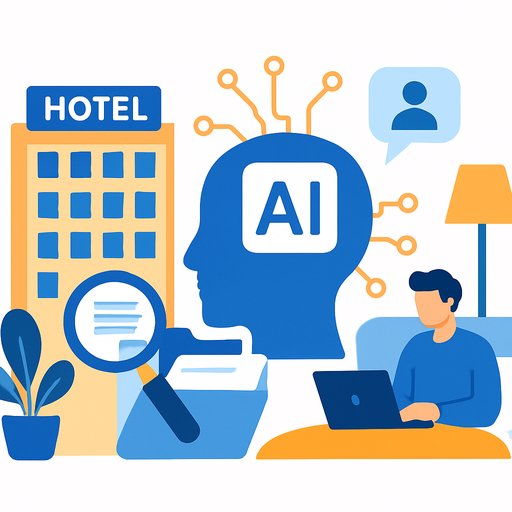
AI changes this fundamentally. Instead of waiting for humans to interpret data, it listens across systems simultaneously - PMS, POS, CRM, IoT sensors, reviews, weather, flight delays, and social sentiment all flowing into one unified layer.
The system learns from millions of micro-signals. When rain is forecast in Nashville, it knows that 41% of couples who planned outdoor activities shift to spa bookings. It doesn't guess. It observes and learns.
A late check-in isn't just a timestamp anymore. The system links it to a delayed flight, predicts fatigue, and triggers a message: "We noticed your flight landed late. Your room is set to your preference. Would you like a snack waiting?" That's not automation. That's understanding context.
Three Ways AI Changes Data Collection
- Automated observation: AI reads tone in guest chats, booking patterns, and stay length to predict churn risk or upgrade potential instantly - without surveys.
- Invisible integration: PMS, POS, CRM, and IoT systems connect quietly. No one manually enters "guest requested pillow change" anymore. Sensors already know.
- Contextual awareness: AI understands why data matters. It connects behaviors into narratives that guide real decisions.
Revenue and Loyalty Follow
For revenue teams, AI correlates weather, events, and competitor pricing to predict rate opportunities. For guest relations, it flags emotional shifts in feedback before they become bad reviews. For marketing, it identifies micro-segments - like solo business travelers interested in wellness - before competitors see them.
When staff gain real-time insight, they stop firefighting and start flowing. A spa team gets a note: "This guest books yoga after long flights. Offer a complimentary class tomorrow." That's not upselling. That's anticipation.
For owners, AI maps revenue momentum the way a pilot reads air currents - invisible but predictable. Match spa and dining offers to emotional states, not just demographics. The outcome is experience monetization.
Personalization That Feels Like Memory
A returning couple books through your website. AI recognizes their anniversary pattern and upgrades them automatically. The in-room assistant greets them by name, cues their favorite playlist, dims lights to "evening relax" mode. At checkout, they get early access to next year's anniversary package - based on their booking rhythm. No one asked for this. The system anticipated it.
Most hotels compete on room size, views, and Wi-Fi speed. True differentiation comes from what's invisible: how you understand and act on data. When unified and interpreted with AI, spreadsheets and PMS logs stop being records and become the pulse that makes a hotel come alive.
Start Small, Think Big
You don't need to rebuild your entire tech stack overnight. Three manageable steps generate visible ROI fast:
- Connect PMS, POS, and CRM for a single view of each guest.
- Let AI flag unusual trends, like midweek occupancy dips.
- Train staff to read and act on insights, not just reports.
These steps signal to your teams that AI is here to help, not replace them.
Culture Before Code
AI success in hotels isn't about algorithms. It's about alignment. Leaders must cultivate a culture where staff understand why intelligence matters and how to act on it.
Ask your teams: What guest signals are we ignoring? Which decisions could move faster with real-time insight? How do we protect privacy while personalizing experience? Are we measuring satisfaction or emotional alignment?
When culture leads, technology follows.
What Comes Next
AI won't stop at insight. Hotels will develop a kind of sentience - self-optimizing awareness. Housekeeping will reassign automatically to match real-time occupancy. Guest profiles will evolve hourly, not quarterly. Hotels will forecast where future demand clusters and shape packages before the market catches up.
The hotel becomes a learning organism, a brand that grows wiser with every interaction.
Yesterday's hotels collected data to report on the past. Tomorrow's hotels will sense data to shape the future. Hotels that master this shift won't just predict guest behavior. They'll inspire loyalty - the kind that data can measure but only empathy can earn.
Learn more about AI for Hospitality & Events and how AI Data Analysis transforms hotel operations.
Your membership also unlocks: