
AI news ·
House of Lords Blocks Government’s Plan Allowing AI Use of Copyrighted Works Without Permission
The House of Lords backed an amendment requiring AI firms to disclose copyrighted works used in their models, challenging government plans. Creators warn against unauthorized use of their work.
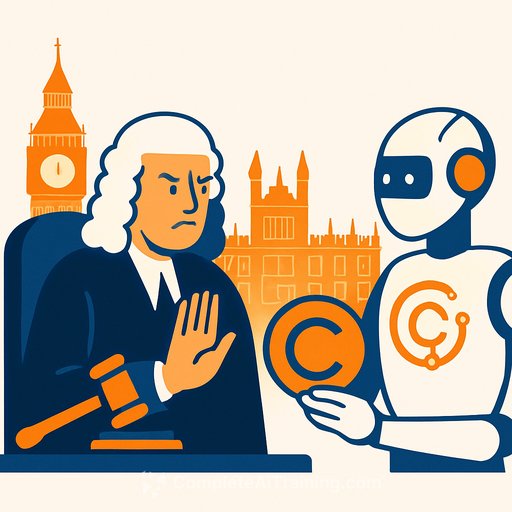
House of Lords Challenges Government on AI Copyright Plans
The UK government has faced resistance in the House of Lords over proposals allowing artificial intelligence firms to use copyright-protected works without explicit permission. Peers backed an amendment to the data bill requiring AI companies to disclose which copyrighted materials they incorporate into their models, despite government opposition.
This marks the second time the upper house has pushed for greater transparency from tech companies regarding the use of protected content. The amendment was supported by 272 votes to 125 and now returns to the House of Commons. Should the government seek to remove this amendment, it risks another confrontation in the Lords next week.
Creators and Organisations Speak Out
Just days before the vote, hundreds of artists and organisations—including Paul McCartney, Jeanette Winterson, Dua Lipa, and the Royal Shakespeare Company—called on the prime minister not to allow their work to be used without consent. They warned against “giving our work away at the behest of a handful of powerful overseas tech companies.”
The amendment was introduced by crossbench peer Lady Beeban Kidron, who emphasized the economic and cultural importance of protecting creators’ rights.
Key Arguments from Lady Kidron
Lady Kidron stated: “Creators do not deny the creative and economic value of AI, but we do deny the assertion that we should have to build AI for free with our work, and then rent it back from those who stole it.”
She highlighted the potential damage to the UK economy, noting that the creative sector is valued at £120 billion and is central to the country's industrial strategy.
Government’s Position and Next Steps
The government’s main proposal would allow AI firms to use copyrighted material unless rights holders explicitly opt out. Critics call this approach impractical and difficult to enforce.
Officials argue the current legal uncertainty is holding back both the creative and technology sectors. To address concerns, the government has committed to conducting an economic impact assessment as part of the data bill.
A spokesperson from the Department for Science, Innovation and Technology confirmed that no decisions on copyright legislation will be rushed. They emphasized the need for a practical plan that balances innovation with rights protection.
Implications for Government Professionals
- Transparency requirements in AI development could affect compliance and regulatory frameworks.
- Ongoing debates signal potential shifts in intellectual property law affecting technology and creative industries.
- Understanding these developments is crucial for policy advisors and legal teams within government sectors.
For those interested in how AI intersects with government policy and copyright law, learning more about AI’s practical applications and ethics can be valuable. Resources like Complete AI Training offer courses tailored to various professional needs.