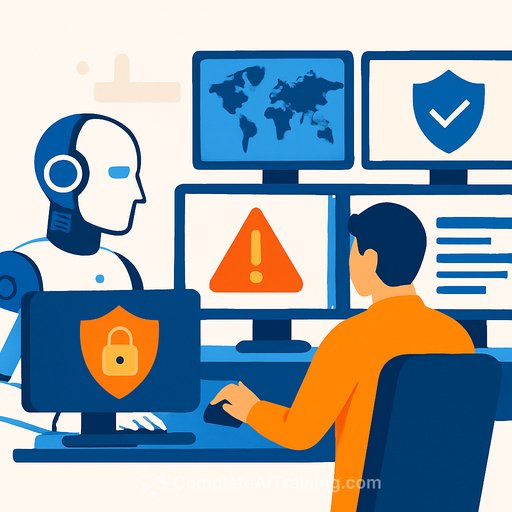
AI Agents in Security Operations Centers: Enhancing Cyber Defense with Human Oversight
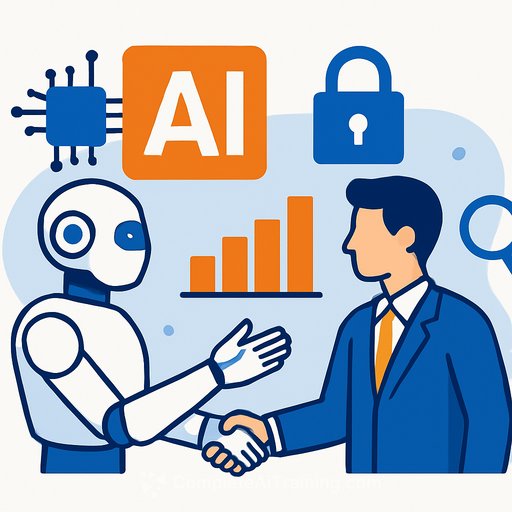
Artificial intelligence is making its mark in Security Operations Centers (SOCs), automating many routine and complex tasks. However, experts agree that human involvement remains essential both for managing cybersecurity incidents and supervising AI systems that support defenders.
AI agents can process large volumes of alerts, automate searches, write code snippets, and summarize reports, helping SOC staff focus on higher-level analysis. Yet, these systems currently struggle with unique human insights and the nuances of customized network environments.
Practical Uses of AI in SOCs
AI can lighten the workload by:
- Automating complex search queries for faster information retrieval
- Generating code without requiring deep knowledge of programming languages
- Summarizing incident reports to communicate effectively with non-technical stakeholders
Despite these advantages, AI-generated outputs need careful review. SOC teams should apply the same rigorous testing to AI-written code as they do for human-written code. Similarly, AI summaries require validation to avoid misinformation reaching decision-makers.
Looking Ahead: AI’s Expanding Role
In the near future, AI agents may handle investigation and remediation tasks autonomously. Companies should prepare for AI agents that can:
- Reason independently and deploy tools to meet specific security goals within months
- Improve and modify their own methods within a year and a half
- Adjust instructions to achieve broader objectives within two years
This shift will challenge IT teams to trust AI agents with increasingly autonomous roles, especially in protecting customized and legacy systems.
Risks and Challenges
As AI takes on more responsibility, monitoring becomes more complex. Keeping pace with AI development may overwhelm human teams, pushing toward solutions where AI monitors other AI systems.
Some tasks remain risky or unsuitable for AI, such as:
- Autonomous patching of legacy systems
- Responding independently to intrusions
- Attesting to regulatory compliance without human review
Strategic activities like crisis communication, risk analysis, and tracking advanced threat actors still require human expertise. Advanced attackers often outsmart automated systems, emphasizing the ongoing need for skilled analysts.
Preserving Human Expertise
Many SOC functions rely on "tribal knowledge"—undocumented, experience-based practices that AI struggles to replicate. AI models sometimes recommend actions that don’t fit the specific network environment, especially in complex legacy setups.
Organizations should critically assess AI solutions that promise turnkey SOC automation and ask how these systems handle unique, undocumented insights held by human experts.
Rather than replacing staff, AI acts as a force multiplier, boosting capabilities and efficiency. Overreliance on AI risks underdeveloped skills among SOC personnel, so balanced integration is key.
Maintaining Control and Trust
Human oversight will remain crucial. SOC teams need to ensure AI agents operate within clear policies and produce auditable actions. Validating AI decisions requires feeding agents accurate, relevant data.
Trust forms the foundation of effective AI deployment. As AI agents become more capable, securing them becomes increasingly important to prevent new vulnerabilities.
While AI isn’t a magic solution, it offers tangible improvements in SOC efficiency and effectiveness. Organizations should explore AI carefully and experimentally, using it to enhance—not replace—the human element in cybersecurity defense.
For professionals interested in deepening their AI skills, exploring targeted training can help bridge the gap between emerging AI capabilities and practical application in cybersecurity. Check out Complete AI Training for courses tailored to various skill levels and roles.
Your membership also unlocks: