How AI Influences Your Health Insurance Coverage
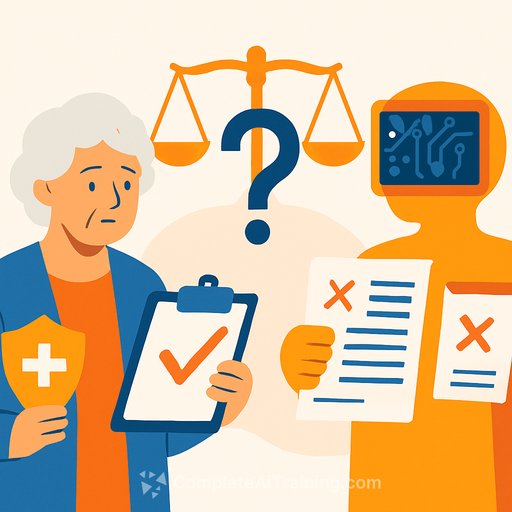
Over the past decade, health insurance companies have increasingly turned to artificial intelligence (AI) algorithms. Unlike medical AI tools used by doctors to diagnose or treat patients, insurers use AI to decide whether to approve payments for treatments recommended by physicians. A common example is prior authorization, where an insurer must approve payment before care is provided.
These algorithms assess whether requested care is "medically necessary" and determine coverage limits, such as the number of hospital days after surgery. If an insurer denies coverage, patients typically face three options:
- Appeal the decision—often a lengthy, expensive, and complex process with low success rates.
- Accept an alternative treatment that the insurer will cover.
- Pay for the recommended treatment out of pocket, which may be financially impossible.
The Pattern of Withholding Care
Insurers input patient records into AI systems to decide coverage, but the exact workings of these algorithms remain undisclosed, as companies consider them trade secrets. This lack of transparency makes it impossible to verify if decisions align with medical standards.
AI review reduces the need for human case reviewers, saving insurers time and money. However, when valid claims are denied quickly, patients may endure years-long appeals. This delay can financially benefit insurers, especially if patients have terminal or chronic illnesses, potentially withholding care for costly, long-term conditions.
Research shows patients with chronic illnesses face more denials, and disparities exist—Black, Hispanic, and LGBTQ+ individuals experience higher denial rates. Although prior authorization aims to avoid unnecessary care, evidence indicates it may increase overall health system costs.
Insurers argue patients can pay for care themselves, but this ignores the reality of high medical costs and the serious health risks of denied coverage.
Regulatory Gaps and Emerging Efforts
Unlike medical AI, insurance algorithms are largely unregulated and don't require FDA approval. Insurers keep their decision-making processes private, and there’s no independent testing for safety, fairness, or effectiveness.
The Centers for Medicare & Medicaid Services (CMS) recently mandated that Medicare Advantage insurers base decisions on individual patient needs rather than generic criteria. However, insurers can still define "medical necessity" themselves, and no external validation of algorithms is required.
State-level actions vary. Some states—including Colorado, Georgia, Florida, Maine, and Texas—have proposed or passed laws limiting AI use in insurance decisions. For example, a 2024 California law requires a licensed physician to supervise these algorithms. Yet, most state laws still give insurers broad discretion and lack mandatory independent review.
State laws also cannot regulate Medicare or insurers operating across state lines, leaving gaps in oversight.
Why FDA Regulation Could Help
Many health law experts argue that regulating insurance AI is essential to protect patients. The FDA, with its medical expertise, is well suited to evaluate these algorithms before they affect coverage decisions.
The FDA already reviews many medical AI tools for safety and effectiveness. Applying similar oversight to insurance algorithms could create consistent national standards rather than a patchwork of state rules.
However, current FDA authority is limited to devices used for diagnosis or treatment. Since insurance algorithms don't diagnose or treat disease, Congress may need to amend laws to expand FDA oversight to cover these tools.
Meanwhile, CMS and state governments could require independent testing of insurance AI for accuracy and fairness. This might encourage insurers to support a unified regulatory approach.
The push for clear regulation of AI in health insurance coverage is underway but needs stronger momentum. For insurance professionals, understanding these developments is crucial as AI increasingly shapes coverage decisions affecting millions.
For those interested in AI’s role in insurance and how to navigate these technologies, exploring specialized AI courses can be valuable. Resources like Complete AI Training’s courses tailored for insurance professionals offer practical insights into AI applications in the industry.
Your membership also unlocks: