How AI Analytics Drives Operational Efficiency at Boddie-Noell’s Hardee’s Franchise
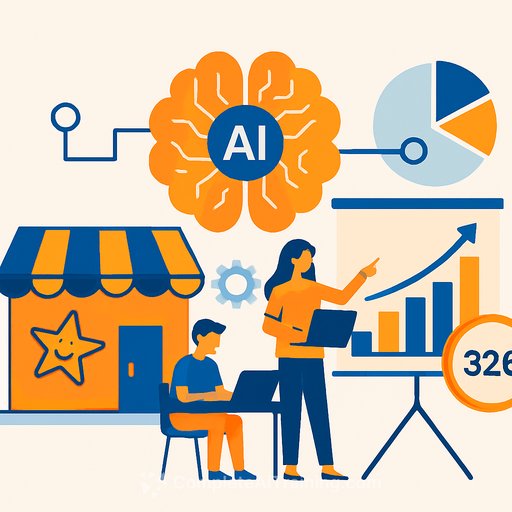
Boddie-Noell Enterprises, the largest Hardee’s franchisee in the U.S., is applying real-time data and AI analytics to improve operations across its 326 restaurants. This approach helps optimize staffing, menu planning, and overall efficiency, resulting in higher sales and better customer experiences.
In the quick-service restaurant industry, customer expectations are clear: orders must be accurate, food served hot and fresh, and service fast. Missing any of these key factors can lead to lost repeat business. Boddie-Noell recognized this and shifted from relying on outdated spreadsheets and weekly or monthly data reviews to real-time analytics that track every aspect of operations.
From Behind-the-Scenes Data to Real-Time Decisions
Historically, Boddie-Noell reviewed performance data only after the fact, making it difficult to respond quickly to operational changes. Now, analytics provide a moment-to-moment snapshot of food costs, menu demand, payroll, and revenue. The company processes nearly 40 million data records daily, including transaction times, order preferences, employee shifts, and payment methods.
This vast dataset powers dashboards and reports that empower managers to make fast, data-informed decisions specific to each restaurant's performance and customer behavior. By expanding access to these tools beyond IT staff, district managers can independently evaluate restaurant performance and implement changes efficiently.
Optimizing Staffing and Payroll
AI analytics uncovered that late-night shifts were overstaffed relative to actual customer traffic. By analyzing traffic patterns and order data down to the second, Boddie-Noell adjusted staffing schedules to better match demand, cutting unnecessary labor costs without affecting service quality.
These insights ensure employees are scheduled exactly when needed, improving payroll efficiency and aligning labor resources with real customer flow.
Data-Driven Menu Planning and Extended Breakfast Hours
Analyzing customer demand by daypart revealed a strong interest in breakfast items between 11 a.m. and noon. Based on this insight, Boddie-Noell extended breakfast service hours beyond the traditional 10:30 a.m. cutoff. Though there was initial staff skepticism, the move resulted in double-digit sales growth during those extended hours.
Additionally, the company uses data to identify which menu items perform best in delivery versus in-store orders, allowing tailored promotions that maximize sales across channels.
Simplifying Payments and Enhancing Delivery Offerings
Payment terminals were expensive to maintain and prone to failure. Data showed that contactless tap-to-pay transactions were faster and less taxing on terminals compared to swiping or inserting cards. Encouraging employees to promote tap payments improved transaction speed and reduced terminal issues.
On the delivery front, customer preferences differed from those ordering in person. Boddie-Noell leveraged data to adjust menu promotions accordingly, boosting delivery sales by featuring items that travel well and appeal to delivery customers.
Testing and Forecasting with AI
Boddie-Noell implemented controlled test markets for new menu items, comparing sales against matched control groups to accurately measure success. This method helped the company identify winning products before wider rollout.
Forecasting accuracy also improved dramatically with AI tools. In the first quarter using automated forecasting, projections were off by just 0.1%, allowing precise inventory and staffing decisions.
Key Takeaways for Operations Leaders
- Real-time analytics enable faster, more accurate operational decisions across multiple locations.
- Optimizing staffing based on detailed traffic data reduces labor waste without compromising service.
- Extending service hours can unlock new revenue when supported by customer demand data.
- Payment methods impact operational efficiency; shifting to faster, simpler options can reduce costs.
- Segmenting menu promotions by order type (delivery vs. in-store) improves sales effectiveness.
- Self-service dashboards empower frontline managers to act independently and responsively.
- Accurate forecasting supports better resource planning and cost control.
For operations professionals looking to implement AI and data-driven strategies, understanding how to translate analytics into actionable changes is critical. Boddie-Noell’s experience shows that practical application of AI insights can significantly improve efficiency and customer satisfaction.
Learn more about AI applications in operations and access relevant courses at Complete AI Training.
Your membership also unlocks: