How AI Might Fit into Your Stock Trading Strategy
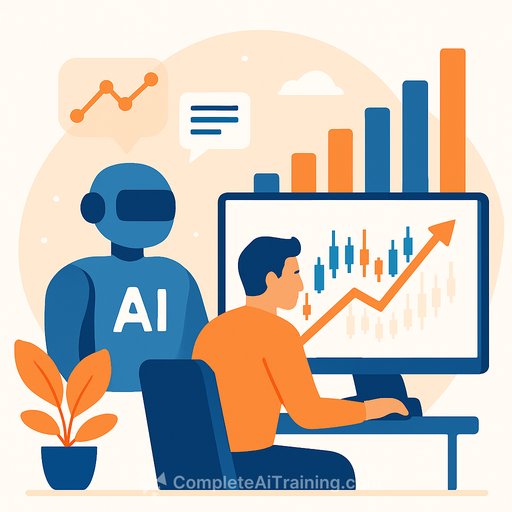
Stock picking takes time, and even then, it’s tough to know if you’ve made the right moves. Artificial intelligence (AI) offers tools to speed things up. Whether you’re analyzing data, testing a trading strategy, or managing a portfolio, AI can help make the process faster and more informed. Just don’t expect magic—there are no guarantees, only smarter tools.
Key Points- AI tools can process large amounts of market data and highlight potential trading opportunities.
- Some investing apps use AI to build and rebalance portfolios, making it easier to “set it and forget it.”
- AI should complement your judgment, not replace it; avoid tools promising guaranteed results or misrepresenting AI capabilities.
Using AI Tools to Help Pick Stocks
One common use of AI in stock trading is generating stock picks. If you’re interested in individual stocks, AI can act as a powerful screener. For example, it can quickly identify growth stocks in a sector, filter companies by price-to-earnings (P/E) ratios, or gauge market sentiment around certain stocks.
AI combines current market sentiment, historical data, and technical indicators to produce a list of potential picks within seconds. You can use this list as a starting point for your own research or even trade based on its suggestions.
How to Use AI in Your Trading Strategy
AI’s role goes beyond stock selection. It can generate trading signals, analyze your performance, and assist with portfolio management—whether you’re actively trading or prefer a passive approach.
Build a Custom Indicator
Many trading platforms let you customize charts to spot key signals. With AI, you can create custom indicators without coding. For instance, an AI tool might highlight trading volume in bright orange when the daily volume doubles the 30-day average. You can then add this code to your charting platform to make those signals stand out.
Run Historical Tests on Trading Strategies
Backtesting is key to understanding how a strategy would have performed in the past. AI streamlines this by automatically selecting relevant historical periods that resemble current market conditions. Some tools also allow scenario testing, showing how factors like interest rates or inflation changes might impact your strategy.
Get Help with Asset Allocation
AI can recommend how to divide your investments across stocks, bonds, and funds based on your risk tolerance and goals. If you prefer index funds, AI can suggest specific mutual funds or ETFs and guide you on when to rebalance your portfolio.
Analyze Your Trading Performance
AI tools can generate detailed reports from your trading history. Metrics like profit factor, risk-reward ratio, average return per trade, and win-loss rate help you evaluate your results and adjust your approach.
Use AI-Powered Investing Apps
Apps like AInvest, Magnifi, Streetbeat, Trade Ideas, and TrendSpider integrate AI tools for stock screening, strategy building, and portfolio management. These apps often come with built-in features so you don’t have to create prompts or code yourself.
Benefits and Drawbacks of AI Stock Trading
Pros
- Reduces research time: AI quickly sifts through vast market data and summarizes key insights, saving you hours.
- Trades around the clock: Some AI tools can execute trades automatically, even when you’re offline.
- May lower costs: AI-powered apps or robo-advisors can be cheaper than traditional financial advisors or premium software.
Cons
- Garbage in, garbage out: AI relies on accurate data. Outdated or incomplete info can lead to bad trades.
- Lacks human judgment: AI can reduce emotional decisions but can’t replace intuition or experience during unusual market events.
- Data and privacy concerns: AI tools may collect personal data and share it with third parties. Not all explain how they protect your information.
- Beware of scams: Some so-called proprietary AI trading systems aren’t regulated and may promise guaranteed wins—a major red flag per the SEC.
Risks to Watch When Using AI to Trade Stocks
Even with AI, profits aren’t guaranteed. AI can suggest trades or build portfolios, but losses are possible if the strategy doesn’t align with your goals or risk tolerance. Automated trading means trades can execute without your immediate input, which can backfire—especially with complex options strategies.
Understanding the rules your AI system follows is critical to avoid unintended trades. Also, data privacy and security risks remain with any digital tool, so choose platforms carefully.
The Bottom Line
AI can support many parts of trading: screening stocks, building indicators, testing strategies, and managing portfolios. But it’s not a shortcut to success. The quality of AI output depends on the data and rules behind it, and you’re ultimately responsible for your decisions.
If you want to experiment with AI in trading, start small, stay skeptical of big claims, and focus on tools that help you make clearer, smarter choices.
Your membership also unlocks: