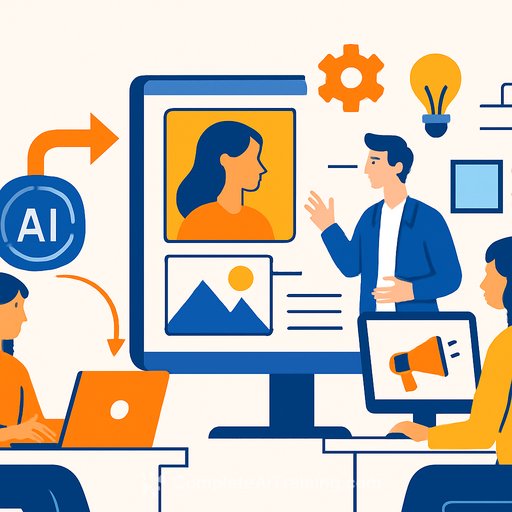
Generative AI Production Shifts Focus to Creative
AI discussions in advertising have mostly revolved around media — how it’s bought, sold, and optimized. But things are changing. Publicis Groupe CEO Arthur Sadoun highlighted this shift during a recent earnings call, pointing out that creative production is now gaining serious attention.
Clients are moving beyond asking if AI can produce more content faster and cheaper. They’re increasingly interested in how this production process integrates with data and media to deliver personalized content at scale. Sadoun calls this the “production backbone,” and Publicis plans to innovate in this area early next year. This part of the business is a significant growth driver overall, and especially for Publicis if executed well.
Why Creative Production Matters More Than Ever
Meta is already pushing AI-generated tools for small and mid-sized advertisers, aiming to strengthen its long tail rather than disrupt big holding companies. But the big agencies are watching closely, eyeing similar opportunities with their enterprise clients.
Publicis reported “mid-single digit” growth in creative services for Q3, mostly driven by increased production demand and broader project scopes. This signals that AI-enabled creative work is becoming core infrastructure, not just a novelty. Last year, 22% of video ad creative was built or enhanced using generative AI — a figure expected to rise to 39% next year, according to the IAB.
Sadoun emphasized the challenge ahead: “We need to distinguish production studios using AI to deliver more content, faster, more agile, cheaper and of great quality.” Whether this balance is achievable is still uncertain. But the incentives align. Production, often overlooked and romanticized, is now seen as a key lever for growth. Currently, creative agencies and production studios make up about 20% of Publicis’ revenue. Nailing AI-driven production could push that higher.
Changing the Agency Model
Sadoun noted that while the media landscape has evolved rapidly, the creative side hasn’t transformed as much. The shift in media buying forced marketers to rethink agency relationships. AI is poised to do something similar for creative.
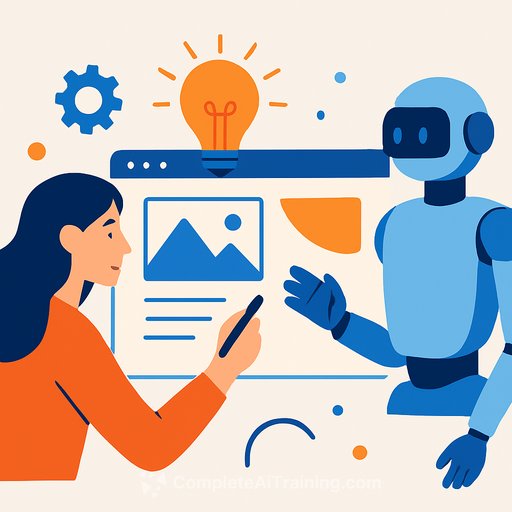
Omnicom’s CTO Paolo Yuvienco echoed this view, explaining how his company uses AI agents to simulate focus groups, adjust campaigns in real time, and spot sales trends. AI isn’t just about efficiency; it’s expanding creative possibilities and allowing teams to explore new ideas.
The takeaway from the major holding companies is clear: the old agency model — with separate planning and creative silos and media scale as a key advantage — is becoming outdated. AI is accelerating that change by increasing the demand for personalized, audience-specific creative assets.
The Cost and Scale Advantage
Barney Worfolk-Smith, chief growth officer at creative data provider DAIVID, highlights the growing need for volume in creative assets due to more platforms and higher personalization demands. If AI can produce these assets at a lower cost, executives will be eager to pursue those savings.
- AI-driven production helps agencies deliver content faster and more flexibly.
- Creative teams can experiment with new ideas without the usual resource constraints.
- Clients benefit from tailored creative that meets the expectations of diverse audiences.
For creative professionals, developing skills around AI production tools and workflows will be increasingly valuable. If you want to explore relevant courses and training on AI in creative production, consider checking out resources at Complete AI Training.
AI is no longer just a tool for media optimization. It’s becoming a fundamental part of creative production and agency growth strategies. Understanding and adapting to this shift will be crucial for anyone working in creative roles today.
Your membership also unlocks: