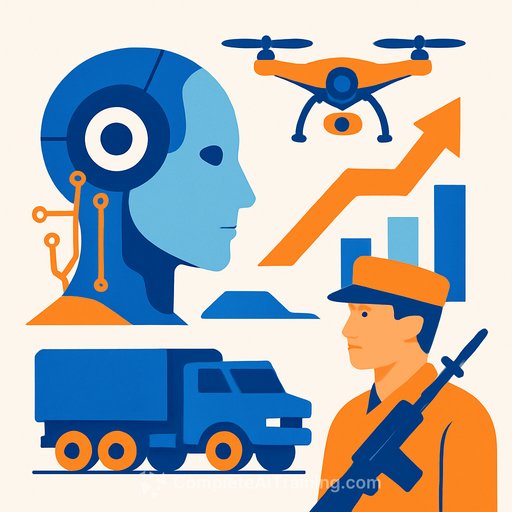
Military Logistics: Transforming Defence Operations
Military logistics forms the backbone of defence operations, ensuring troops and equipment are where they need to be, when they need to be there. As global tensions rise, nations are increasing defence budgets and adopting new technologies to strengthen logistics capabilities. This includes transportation, supply chain management, inventory control, and warehousing — all essential for mission success.
The global military logistics market is growing, driven by security concerns and the need for modernisation.
AI: The New Commander in Military Logistics
Artificial Intelligence (AI) is changing how military logistics operates. AI enables data-driven decisions, predicting supply needs to avoid shortages or overstocking. Predictive analytics analyze large datasets to forecast what troops require, ensuring efficient resource use.
In transportation, AI uses real-time data like weather and fleet status to optimize routes and schedules, saving time and fuel. Predictive maintenance powered by AI identifies potential equipment failures before they happen, reducing downtime and extending asset life.
AI also improves communication across military branches and logistics providers through automated platforms that deliver real-time updates and streamline coordination. This boosts situational awareness and operational efficiency during missions.
A recent example is Tagup, a U.S.-based tech firm that launched an AI-driven defence logistics platform in May 2024, highlighting the shift towards technology-driven logistics management.
Rising Defence Budgets Fuel Logistics Advancements
Increasing defence budgets are a major factor in advancing military logistics. Governments are investing in infrastructure like real-time tracking, autonomous vehicles, and smart warehouses. Upgrades to airlift capabilities and transport networks enable faster deployment of troops and equipment.
Public-private partnerships also play a role in improving logistics efficiency. By collaborating with commercial logistics companies, militaries adopt best practices and integrate data-driven technologies to boost their operational readiness.
Drone Technology Takes Flight
Drones are becoming key tools in military logistics. With longer battery life, higher payloads, and advanced navigation, drones transport supplies in combat zones and remote areas efficiently. When combined with AI, drones autonomously plan routes and avoid obstacles, reducing risks for personnel and cutting operational costs.
This shift to autonomous aerial logistics offers a more flexible and safer alternative to traditional convoy systems.
Conclusion
Military logistics is evolving fast to keep up with complex operations. AI integration, rising defence spending, and adoption of technologies like drones are turning logistics into a strategic asset. These advances are making military operations faster, safer, and more reliable.
Your membership also unlocks: