How AI Is Changing Legal Work Today
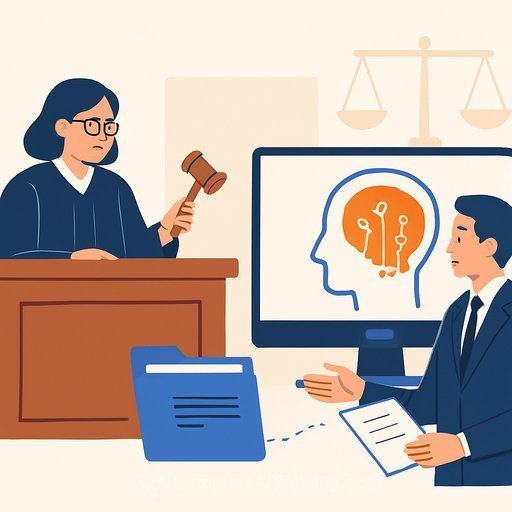
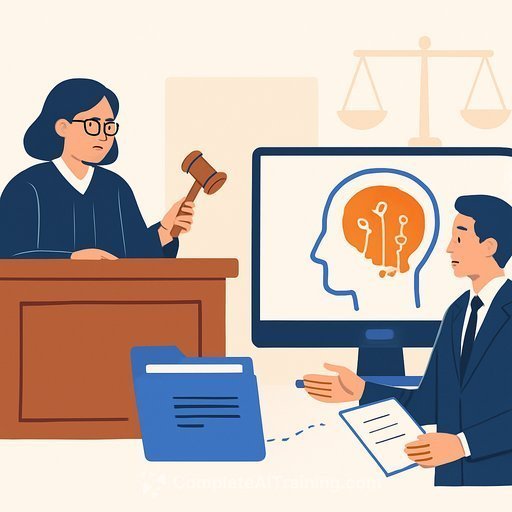
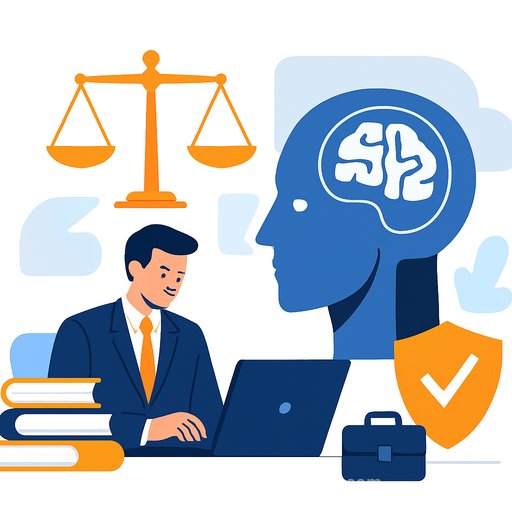
AI is no longer a side project in law. It sits inside research tools, contract platforms, and litigation workflows, speeding up work that used to eat calendar time and billable hours.
Surveys across the industry point to a strong expectation of major change within five years. What used to be experimental is now routine: natural-language research, clause detection, and AI-assisted drafting are on desks across firms and legal departments. See Research for practical guides on tools and methods.
At Vanderbilt Law School, faculty launched a dedicated course on AI for Legal soon after generative tools hit the public. As one professor put it, "I couldn't just have a unit on AI anymore. I was now teaching an AI course." The curriculum shifts each semester because the tools keep moving.
Where AI Helps Right Now
- Faster legal research: Platforms scan thousands of cases in seconds and surface relevant authorities for quicker decisions.
- Automated contract review: Software flags high-risk clauses, proposes edits, and standardizes playbooks to cut manual review time.
- Fewer routine errors: Automated checks reduce copy-paste mistakes and missed terms in repetitive work.
- More affordable services: Less admin overhead means more time for strategy and client communication.
Hands-on projects make this real. Through the Vanderbilt AI Law Lab, students have built tools from an end-of-life planning assistant to a tracker of state AI legislation-useful for both practitioners and the public.
Risks You Need to Manage
Bias: Models learn from data that can skew outcomes. That can flow into risk assessments, investigations, or prioritization. You still own the final call.
Confidentiality and privacy: Client information sent to third-party systems raises privilege and data protection issues. Know where data lives, how it's stored, and who can access it.
Accountability: If an AI suggestion is wrong, responsibility is murky unless you set clear rules. As one professor noted, "The technology is always going to move faster than the law, so it's going to be incumbent upon people like our law students to engage in self-governance." Human oversight isn't optional.
Regulatory expectations are catching up. Tech competence already sits inside professional standards in many jurisdictions. See ABA Model Rule 1.1, Comment 8. For risk management frameworks, review the NIST AI RMF.
Practical Ways to Adapt
- Pick clear use cases: Start with legal research, contract review, intake triage, or eDiscovery prioritization. Measure time saved and accuracy.
- Set data guardrails: Disable training on client inputs, use private deployments when possible, and scrub PII before prompts.
- Vendor diligence: Ask for model sources, update cadence, security posture, audit logs, and indemnities. Test with red-team prompts.
- Document your process: Keep a review log for AI-assisted work. Record prompts, outputs, edits, and approvals.
- Policy and training: Write a short AI use policy. Clarify acceptable tools, barred inputs, and sign-off steps. Train partners, associates, and staff.
- Client communication: Update engagement letters to address AI use, confidentiality, and quality controls.
- Quality checks: Always verify citations and quoted text. Run a final human review before anything leaves the building.
If you want a structured way to upskill your team, browse focused AI courses by role at Complete AI Training.
What's Next for Legal Teams
Generative systems will take on more first drafts, discovery summaries, and early case assessments. Expect better tools for chronology building, damages modeling, and brief drafting-paired with tighter standards and audits.
The message is simple: AI won't replace lawyers. It will reward lawyers who learn to use it well and keep judgment at the center. As one faculty member tells students, "AI isn't replacing entry-level associates. It's just an augmenting superpower if you understand it."
Conclusion
AI speeds research, reduces routine errors, and can widen access to legal help. It also raises real issues around bias, privacy, and responsibility. Schools and labs show how the next wave of attorneys is stepping in with curiosity and leadership.
The edge goes to teams that adopt AI responsibly, write clear guardrails, and keep rigorous human review. Do that, and you'll deliver faster, more accurate, and more ethical legal services-without losing the judgment clients pay you for.
Your membership also unlocks: