A.I. Is Poised to Rewrite History. Literally.
The ability of artificial intelligence to read and summarize text is already proving useful in academic research. But how might it change the way we tell stories about the past?
For writers, shaping a story means deciding where to begin, where to end, and what elements are new or important. Recently, a technology journalist and historian explored how A.I. could assist with exactly that process.
Using A.I. as a Research Partner
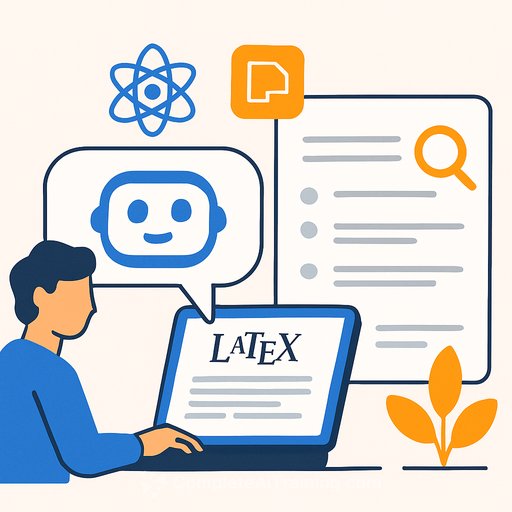
He started by experimenting with an app called NotebookLM, which differs from typical A.I. tools by focusing only on user-selected documents. This approach helps maintain control over sources, a crucial factor in research.
NotebookLM can quickly generate summaries, meeting notes, or even podcasts based on the input documents. This makes it a handy tool for writers who need to digest large amounts of material without losing sight of specific details.
Applying A.I. to Historical Research
In one experiment, the historian uploaded excerpts from a well-regarded history of the California Gold Rush. He combined this with firsthand accounts from both the gold-seekers and Indigenous peoples affected by the events.
By feeding these curated sources into the app, he could explore different angles and perspectives more efficiently. This method brings a fresh way to brainstorm and structure historical narratives.
What This Means for Writers
- Faster Summaries: A.I. tools can quickly digest and condense complex texts, saving time during research.
- Focused Research: By limiting A.I.’s input to chosen documents, you maintain control over your sources and narrative direction.
- Idea Generation: Using A.I. to highlight connections and themes can help uncover new story angles.
Writers working on nonfiction, especially history, can experiment with these tools to enhance their workflow. Whether you’re drafting a book or an article, A.I. can assist you in managing information and sharpening your story’s focus.
For those interested in learning how to integrate A.I. into writing and research, there are practical courses available that cover these skills in depth. Exploring latest A.I. courses can provide guidance on effective use of these emerging tools.
Your membership also unlocks: