The Future of Product Teams in the Age of AI
AI's ability to write code, build prototypes, and create websites faster than humans has stirred a lot of debate. Some predict that product teams might become obsolete within the next decade. But is that a realistic outlook?
Recently, venture capitalists have shown strong interest in "tiny teams"—groups of 10 or fewer—achieving millions in annual recurring revenue (ARR) within months by leveraging AI for product development, customer service, and marketing. Sam Altman, OpenAI’s CEO, even suggested the possibility of a one-person company valued at $1 billion. Shopify's CEO, Tobi Lütke, has set a clear expectation: AI use is now fundamental. Designers and developers are encouraged to apply AI to speed up everything from coding to prototyping. Other companies, like Duolingo, have embraced this shift by becoming "AI-first," embedding AI into both their workflows and products.
Smaller Teams, Bigger Impact
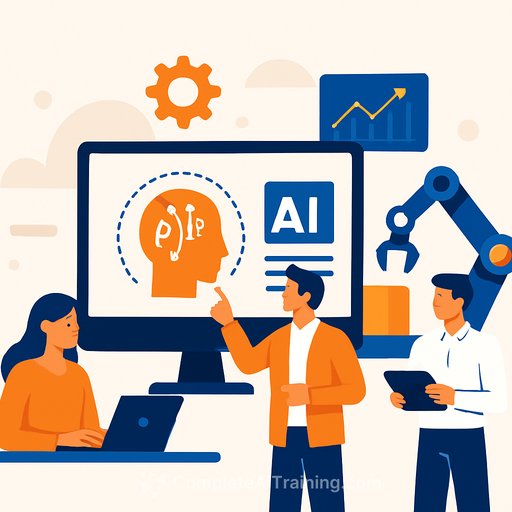
With tools like Lovable and Bolt enabling even those without coding experience to launch businesses, many foresee product teams slimming down significantly. Some envision product managers evolving into overseers of AI agents—automated systems capable of designing, researching, and collaborating to build software.
- Luke Ferris, CEO of OriginAI, describes a future where AI agents conduct user interviews at scale and coordinate with each other to deliver software solutions.
- Product managers would shift focus from hands-on building to ensuring compliance and strategic alignment. For example, a PM in autonomous vehicles might supervise how AI agents interact with smart city infrastructure.
Will Product Managers Survive?
There’s speculation that developer roles could diminish, but product managers who generate creative ideas and lead strategy might remain essential—provided they embrace AI. Yenny Cheung, VP of Product at Charles, sees AI as a tool that removes mundane tasks, freeing PMs to focus on critical thinking and human interaction.
For instance, prototyping that once took hours can now be done in minutes. This time saved can be spent meeting customers and understanding their pain points, which AI can’t replicate.
The Pace of Change and Organizational Challenges
Not everyone agrees that AI adoption is happening quickly. Joao Mira, a former product manager, notes resistance in organizations to accepting AI-built prototypes, often viewed as bypassing traditional roles like designers. He also observes a hiring trend favoring senior PMs with more experience, which could hinder fresh perspectives in teams.
To stay relevant, Mira advises product professionals to become generalists who understand multiple aspects of product development. Building personal projects, like apps using AI tools, can provide valuable insights into the challenges designers and developers face.
Getting Ahead with AI
Cheung points out that leadership pressure to use AI effectively will only increase. She encourages PMs to adopt AI tools early to maintain a competitive edge and improve productivity.
If you want to deepen your AI skills relevant to product development, consider exploring specialized courses available at Complete AI Training. Learning how to integrate AI into your workflow today will position you well for the changes ahead.
Your membership also unlocks: