The food and beverage industry is shifting faster than ever, driven by changing tastes, cultural influences, and market trends. Traditional research methods like focus groups and surveys are too slow to keep pace with consumer demand. For product development professionals, real-time insights into what consumers want are essential to staying competitive.
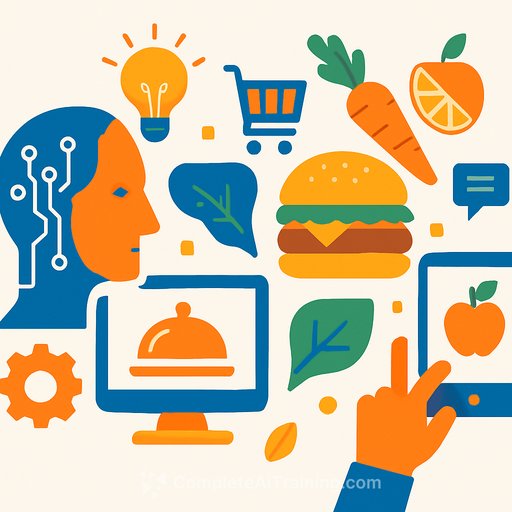
Artificial intelligence offers a practical solution. Platforms such as Tastewise use generative AI to analyze vast amounts of data—from social media posts to online reviews and restaurant menus—to provide immediate, actionable insights. This allows brands to create products that truly meet current consumer preferences, cutting down costly trial and error.
Faster, Smarter Consumer Insights
New food and beverage products fail at a staggering rate of 90%. The main reasons are lengthy development timelines and outdated research methods that can't keep up with changing tastes. AI flips this script by delivering near real-time analysis of consumer behavior.
Tastewise’s platform processes data from 75 billion social posts, 1 trillion recipes, 160 million reviews, 4 million restaurants, and 600,000 grocery items. This extensive dataset helps brands predict trends and consumer preferences with precision. The result? Faster product launches, fewer failed iterations, and lower development costs.
From Data to Product Innovation
AI doesn’t just track trends; it uncovers the motivations behind consumer choices, enabling brands to move from reactive to proactive innovation. Product development cycles that once took months can now be compressed into hours.
For example, Gen Z consumers are looking for foods that are both affordable and flavorful, while a broader market is interested in functional foods that promote gut health and immunity. AI reveals these insights quickly, so product teams can design offerings like a spicy, high-protein chickpea snack with probiotics that match current demands.
Once a concept is developed, AI tools can also validate it by analyzing online engagement and predicting purchase intent in real time—helping to reduce risk before launch.
Transforming Food Marketing and Brand Strategy
AI’s impact extends beyond product development into marketing. Brands can craft campaigns that resonate more effectively by identifying emerging trends early.
Mademoiselle Desserts, for example, used AI insights to launch a seasonal Blackberry & Mascarpone cake that perfectly matched evolving consumer tastes. Automating data collection freed their marketing team to focus on creativity and strategy, rather than routine analysis.
For product developers, adopting AI-driven tools means working smarter, reducing guesswork, and increasing the chances of success in a fast-moving market.
Explore AI courses and training to stay ahead in product development at Complete AI Training.
```Your membership also unlocks: