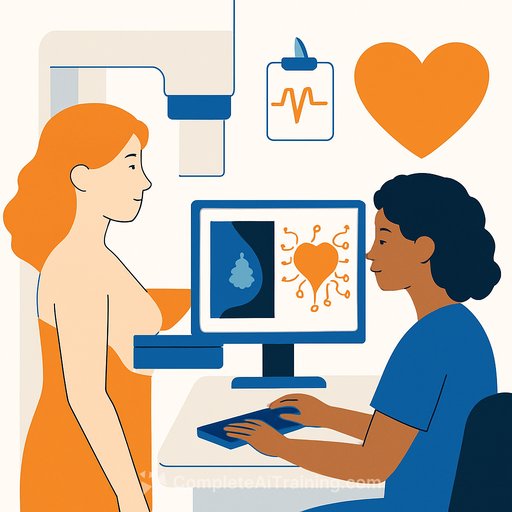
Using AI and Mammograms to Detect Heart Risks at Stamford Health
Yearly mammograms are a routine part of women's healthcare, primarily used for cancer screening. Yet, these images can reveal more than just breast cancer. Researchers at Stamford Health have found that mammograms can also provide early warnings about cardiovascular risks through the detection of calcium deposits in breast arteries.
Calcium deposits, known as breast artery calcification (BAC), are often visible in mammograms. Stamford Health has integrated an artificial intelligence (AI) tool to identify and measure BAC, offering a dual health assessment during one mammogram appointment. This approach could help identify women at higher risk of coronary artery disease, a leading cause of death in the U.S.
Why Cardiovascular Risk Detection Matters for Women
Cardiovascular disease in women often presents later and with more severe symptoms compared to men. Studies indicate that women hospitalized after their first heart attack are more likely to develop heart failure or die within five years. Despite this, reliable ways to predict heart disease risk in women remain limited.
Previous research linked BAC detected on mammograms with coronary artery calcification, an early sign of heart disease. However, BAC is not routinely measured or reported during mammogram screenings—until now.
How the AI Program Works
The AI software, developed by CureMetrix, Inc., was trained using 20,000 mammograms from healthcare providers worldwide. It automatically detects and quantifies BAC without additional tests or radiation exposure to the patient. This means breast cancer screening and vascular risk assessment happen simultaneously during the same visit.
A retrospective study at Stamford Health reviewed 99 women who had mammograms followed by chest CT scans within a year. Over an 11-year follow-up, nearly half showed positive BAC, and about a quarter experienced major adverse cardiac events (MACE). Those with higher BAC scores had a 17% greater risk of such events.
Benefits and Limitations
- Early detection: Identifying BAC during routine mammograms allows healthcare providers to recommend preventive measures sooner.
- Convenience: No need for extra visits or tests—cardiovascular risk assessment is integrated into existing screenings.
- Study limitations: The sample size was small and predominantly Caucasian, indicating a need for larger, more diverse studies.
Researchers emphasize the importance of considering BAC in cardiovascular risk assessments for women. Early identification could lead to lifestyle changes or medical interventions that reduce the chance of serious cardiac events.
Looking Ahead at Stamford Health
Stamford Health has also adopted AI tools to detect early signs of coronary artery disease beyond mammogram analysis. With FDA clearance for the BAC detection software, the health network aims to expand its use across multiple centers. This could lead to more women being alerted to cardiovascular risks during routine breast screening.
For healthcare professionals interested in AI applications in medical imaging and diagnostics, exploring specialized training can provide valuable insights and skills. Courses on AI in healthcare are available and can enhance understanding of these emerging technologies.
Learn more about AI training opportunities at Complete AI Training.
Your membership also unlocks: