Amazon's Engineering Culture Transformed by AI
Amazon software engineers are experiencing a shift in their daily work that feels more like warehouse labor than traditional coding. AI tools have introduced intense pressure to produce code faster than ever, marking a major change in how one of the largest tech companies approaches software development. Today, 89% of Amazon engineers use AI daily, and the expectations for productivity have surged across teams.
The warehouse-style transformation reshaping Amazon’s engineering culture
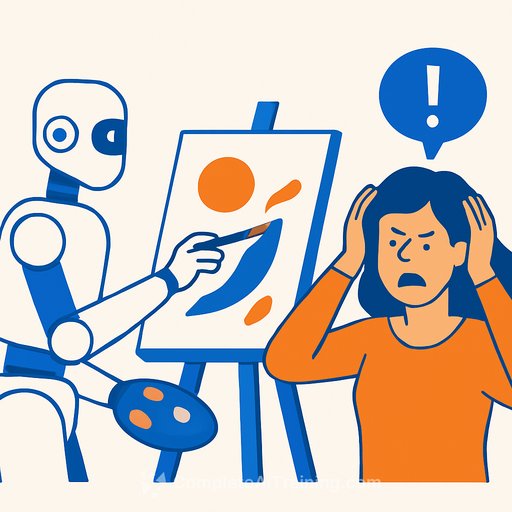
The comparison to warehouse work is more than metaphorical—it's backed by real changes in engineering routines. Amazon has raised productivity targets sharply over the last year, expecting the same output from smaller teams under tighter deadlines. Engineers report feeling like “bystanders” as they spend more time reviewing AI-generated code than writing original programs. This shift flips the usual innovation pattern: instead of simple, effective solutions replacing complexity, advanced AI systems now replace creative coding with repetitive, assembly-line tasks.
The financial savings are massive. Amazon claims AI integration saved 4,500 developer years of work and $260 million. But this efficiency comes with a hidden cost: engineers’ job satisfaction and skill growth are under strain.
How AI tools are fundamentally changing daily engineering work
The productivity paradox creating new workplace stress
AI handles much of the boilerplate code, reducing original coding time by 40%. But this speed boost brings pressure to quickly validate and manage AI output. The work feels less creative and more mechanical. Internal surveys reveal 42% of engineers worry about losing their architectural design skills. This anxiety resembles the stress people feel with fast-changing social media environments, showing how rapid tech shifts affect mental well-being.
The emergence of code review as primary work function
Engineers now spend 55% of their time reviewing AI-generated code rather than creating it. This role shift makes them more like quality controllers than inventors. Since only 55% of AI suggestions get accepted, engineers face a repetitive cycle of review, rejection, and regeneration. Many find this routine mentally draining and creatively stifling.
The hidden costs of AI-driven development efficiency
Despite impressive productivity stats, the human side reveals concerning trends. Engineers feel distanced from the creative problem-solving that once motivated them. While time spent on creative experiments increased by 23%, daily autonomy has dropped. Experts warn this could hurt long-term innovation. When engineers act mainly as validators, organizations risk losing the diverse problem-solving approaches that fuel breakthroughs.
Practical strategies for engineers adapting to this shift
Developing AI collaboration skills without losing creativity
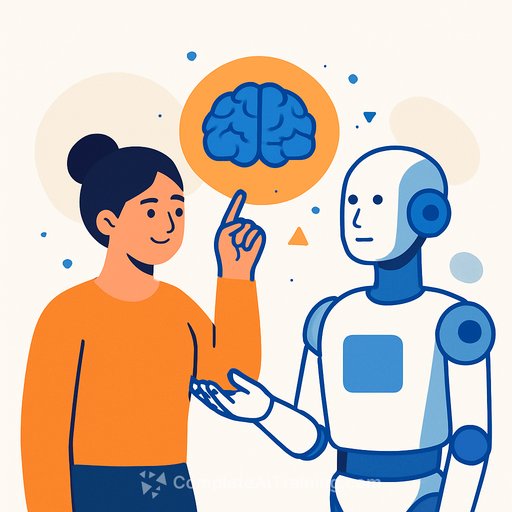
Success comes from working with AI as a tool, not resisting it. Engineers focus on mastering prompt engineering and managing context to guide AI effectively. Understanding AI’s limits and strengths allows for smarter use instead of blindly accepting outputs.
Preserving technical depth through intentional practice
Top engineers keep coding sharp by working on personal projects and engaging in “AI-free” design sprints. Amazon supports this with bi-weekly exercises that require human-only problem solving, emphasizing the need to maintain core skills.
What this means for the future of software engineering
Amazon’s experience signals a broader shift across tech companies. AI has already changed software development, but the real challenge lies in balancing efficiency gains with preserving creative problem-solving. Engineers who learn to collaborate with AI, rather than be replaced by it, will shape the next era of coding.
For those interested in improving AI collaboration skills, courses on prompt engineering and AI tool management can be valuable resources.
Your membership also unlocks: