Real Educational Advantages of Artificial Intelligence
AI combined with human intelligence leads to better results. It’s not technology for technology’s sake—it’s about improving learning and teaching.
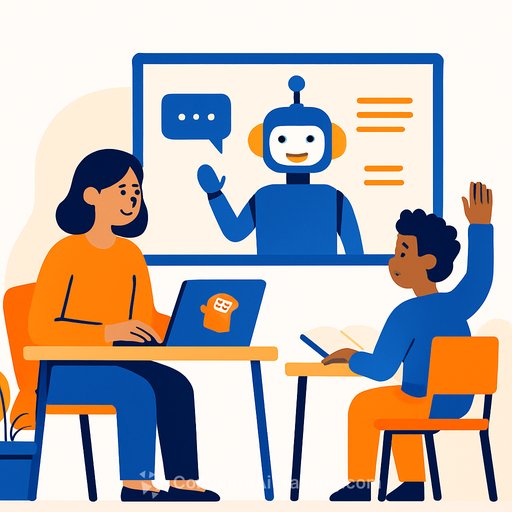
Artificial Intelligence (AI) is becoming a regular part of classrooms, and that’s a positive development. AI tools can personalize learning, analyze student performance data, and automate repetitive tasks. They also provide instant feedback, giving educators more time to focus on teaching.
AI Won’t Replace Teachers
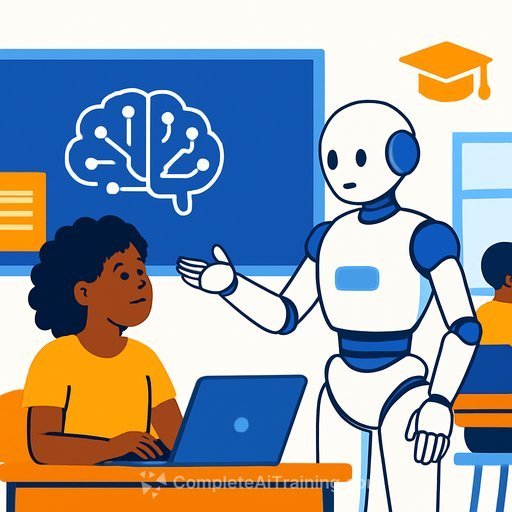
Teaching involves much more than delivering content. AI supports teachers by handling tasks that consume their time, freeing them to concentrate on effective instruction. But creating a safe, inclusive environment where students feel valued requires human connection. AI can’t replace the empathy and social-emotional support teachers provide, which are essential to student success.
Teachers build relationships and foster understanding, which directly affects learning outcomes. AI complements these efforts but cannot replace the interpersonal skills that teachers bring to the classroom.
How to Empower Human Intelligence with AI
A Forbes survey found that 60% of teachers use AI tools to streamline their work, and 55% have noticed better educational results. Traditional assessments often happen just a few times a year, leaving gaps in student data. Some educators use AI-powered tools like Lexia’s Assessment Without Testing technology, which offers continuous progress monitoring. This ongoing insight helps teachers identify where students thrive and where they need support, enabling timely, targeted instruction.
With better data at hand, teachers can focus on delivering the right lessons at the right moments, improving student learning effectively.
Looking Ahead
Classrooms gain new technology every year, but skilled teachers remain essential to guide student learning. New Jersey teacher Jen Russ shares how she uses AI to create essay examples tailored to different grade levels, even introducing intentional errors for analysis. While AI can reduce some teacher burdens, it doesn’t replace the need for adequate funding and personal interaction.
Russ uses AI tools like Lexia PowerUp to address literacy gaps, but these tools still require teachers to interpret data and meet with students individually. As educational consultant Carl Hooker puts it, students remember engaging projects guided by technology, not worksheets or tests.
- Leverage student strengths and scaffold instruction effectively
- Encourage collaboration, creativity, and problem-solving using digital tools
- Offer diverse curricula that reflect all learners’ cultures and interests
Instructional Technology in Action
Research shows 95% of students can learn to read when instruction and curriculum align with the science of reading. AI-powered diagnostics running in the background provide real-time, adaptive learning opportunities. This keeps students challenged just enough—between what they can do alone and where they need support.
Continuous, seamless assessment helps teachers adjust instruction immediately, supporting individual growth without interrupting learning flow.
Learn more about AI courses that can help educators integrate technology effectively at Complete AI Training.
Your membership also unlocks: