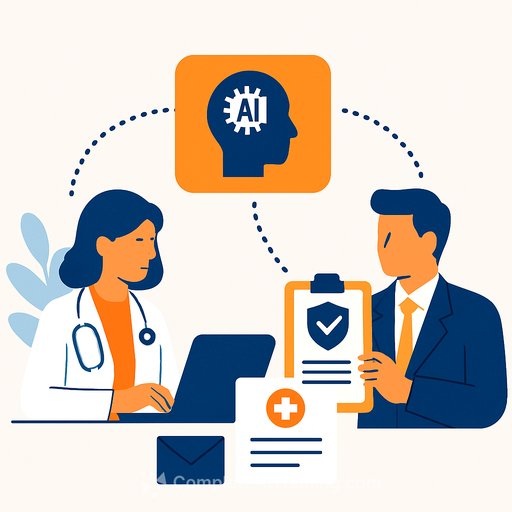
How Artificial Intelligence Cuts Down the Back-and-Forth Between Practices and Insurance Companies
Doctors and clinics often face tedious back-and-forth communication to get insurance claims approved and paid. Traditional billing and coding processes rely heavily on manual work, which can be slow and error-prone. Artificial intelligence (AI) offers a practical, efficient alternative that automates many of these tasks, saving time and reducing mistakes.
With AI-powered medical billing and coding, claims get verified and documented faster and more accurately. This means fewer delays, fewer denials, and less frustration for everyone involved. Staff can spend less time wrestling with paperwork and more time focused on patient care.
Key Takeaways
- AI reduces unnecessary back-and-forth with insurance companies.
- Automation improves billing accuracy and speeds up processing.
- Communication between healthcare providers and insurers becomes more efficient.
How AI Streamlines Practice and Insurance Communication
AI automates key parts of the insurance process, boosting productivity and cutting down administrative workload. By handling claim verification, documentation, and data analysis, AI supports faster and more accurate decision-making.
Reducing Claims Processing Delays
AI tools extract, validate, and code claim information automatically. They check medical documents and billing data for errors before submission, reducing common mistakes that slow down claims. Machine learning flags missing or inconsistent information so staff can quickly fix it.
Insurers use AI to triage claims by complexity and urgency, routing them efficiently. This reduces back-and-forth follow-ups. Faster claims processing helps both providers and patients get quicker responses and payments. As insurers adopt advanced AI models, automated claims handling is becoming the norm.
Automating Prior Authorization Workflows
Prior authorization often takes up significant administrative time. AI can instantly verify patient eligibility and required documents, cutting down manual reviews. It compares submitted data with insurance policy rules in real time, giving immediate feedback on approval status or next steps.
This reduces phone calls and emails between clinics and insurance companies. Automated prior authorization speeds treatment approvals and cuts errors that happen with manual data entry. It frees providers to focus on care rather than paperwork.
Innovative Solutions for Smoother Operations
AI minimizes costly errors and speeds up repetitive tasks. Real-time insights help spot issues early, improving accuracy in document handling and claims management.
Robotic Process Automation and Chatbots
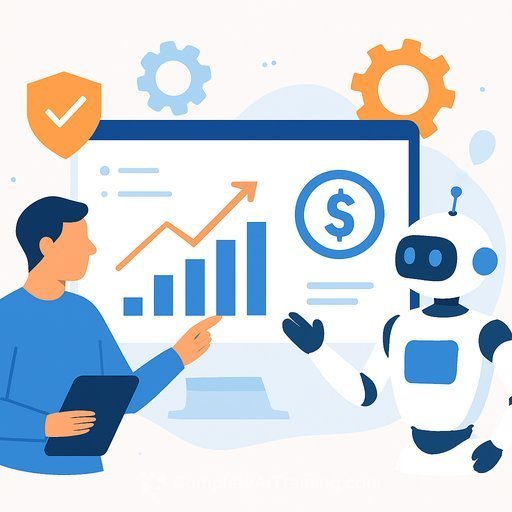
Robotic process automation (RPA) handles rule-based tasks like form submissions and data entry in seconds without human input. This lowers delays and missing documents. AI-powered chatbots and virtual assistants answer routine questions from practices and patients 24/7, eliminating long wait times.
They also route complex issues to the right teams, saving time and resources. For example, AI chatbots simplify insurance workflows by handling common inquiries and speeding up customer service.
Reducing Human Error and Ensuring Compliance
AI uses advanced analytics and machine learning to catch errors and inconsistencies in real time. This reduces mistakes that cause claim denials or delays. Automatic document validation checks submissions against policy and regulatory criteria.
Generative AI can draft or review standardized responses and notifications, ensuring they meet industry standards and legal requirements. Centralized AI systems track and audit communications, boosting trust and operational efficiency.
Conclusion
Artificial intelligence is making communication between healthcare practices and insurance companies faster and less burdensome. By automating verification, billing, and data analysis, AI cuts costs and reduces errors. This lets staff focus more on patient care.
Practices and insurers both benefit from quicker approvals and fewer disputes, improving workflows across the board. AI-supported data sharing and standardization build trust and transparency, creating a smoother, more reliable healthcare system for everyone involved.
Your membership also unlocks: