Why ChatGPT Legal Queries Can Be Used Against You as Court Evidence
Using ChatGPT for legal advice carries significant risks. Unlike conversations with lawyers or therapists, chats with AI lack legal privilege and confidentiality. OpenAI's CEO has acknowledged that these interactions aren’t protected in the same way, meaning they could be subject to discovery in legal proceedings.
Many users don’t realize that anything they type into ChatGPT—even messages they delete—may be retained and potentially used as evidence. AI tools aren’t bound by confidentiality or ethical obligations, so sharing sensitive legal information with a chatbot may create a digital trail that compromises privacy and increases legal exposure.
Your ChatGPT Conversations Are Not Legally Confidential
OpenAI CEO Sam Altman recently confirmed on the This Past Weekend podcast that conversations with ChatGPT do not have legal privilege. He explained that while communications with doctors, lawyers, or therapists enjoy confidentiality protections, those do not apply to AI chats.
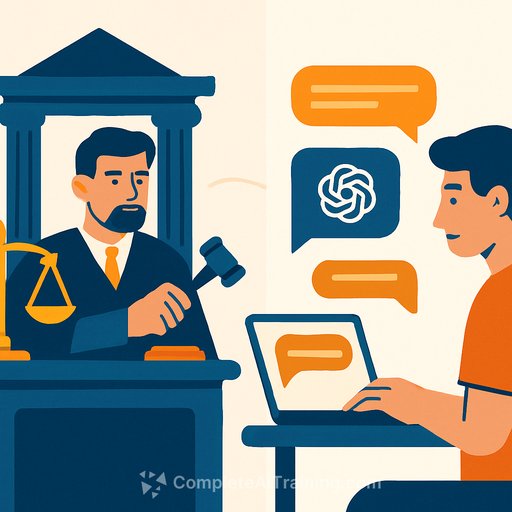
This means any sensitive legal scenarios shared in a chat could be disclosed in court. OpenAI may be compelled by law to hand over your conversations, even if deleted. Legal experts warn that users risk generating discoverable evidence without any attorney-client privilege or ethical duty to protect them.
AI-Generated Legal Advice Isn’t Actually Legal Advice
ChatGPT is a language model that generates responses based on patterns in data. It does not understand your specific facts, goals, risks, or jurisdiction. Legal advice must come from a licensed professional who is accountable for the guidance given.
Relying on ChatGPT for legal matters is risky and may even be self-incriminating. It can produce plausible-sounding but inaccurate or incomplete answers. Unlike a human lawyer, AI has no ethical obligation or liability for mistakes.
Deleted Chats Aren’t Safe from Legal Scrutiny
Even deleted conversations with AI chatbots can be stored and subject to legal discovery. Some companies are legally required to retain chat records, which may be subpoenaed during litigation. Currently, no laws guarantee AI platforms treat user chats with the same confidentiality as attorney-client communications.
Until regulations catch up, anything typed into a chatbot could be accessible in court. This includes potentially sensitive or personal information, posing a significant privacy risk for anyone using AI for legal questions.
Why You Should Consult a Human Lawyer Instead of ChatGPT
For any legal issue—whether contracts, criminal matters, or rights disputes—it’s crucial to consult a licensed attorney. Lawyers are bound by confidentiality, legal privilege, and ethical duties that protect your information and interests.
While AI may feel convenient, it is not a substitute for professional legal counsel. AI-generated responses are neither verified nor accountable, and using them could expose you to unnecessary legal risk. Until privacy and legal frameworks evolve to protect AI interactions, the safest course is to avoid using chatbots for legal advice.
For trusted, confidential legal guidance, always turn to qualified professionals who have the expertise and responsibility to protect your interests.
Your membership also unlocks: