Foodpairing Uses AI to Help Brands Predict Taste and Cut Waste
In the food industry, nearly 90% of new products vanish from supermarket shelves within a year. Foodpairing offers food companies a clear advantage by using flavour science, artificial intelligence, and big data. Major brands like Unilever, Kellogg’s, and Nestlé rely on its technology to develop products that resonate with consumer tastes—eliminating costly guesswork.
This article highlights Foodpairing’s innovative approach to product development and how it supports businesses in creating better food faster and with less waste.
Scientific Approach to Flavour Pairing
Founded in Ghent in 2009, Foodpairing started with a straightforward question: Is there a scientific reason why certain ingredients pair well? Their research showed that molecular flavour compatibility determines which ingredients blend harmoniously.
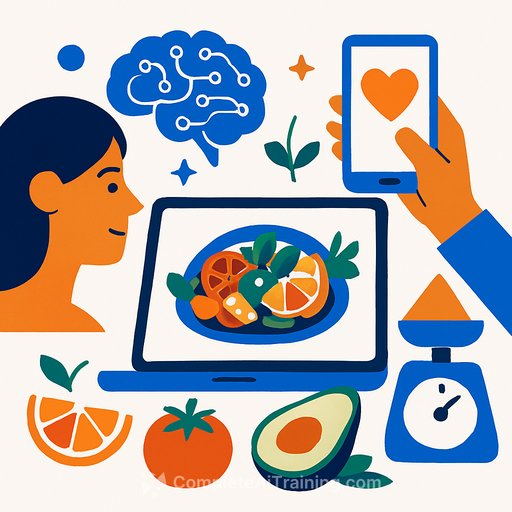
Based on this, Foodpairing created the Chef app—a digital tool for chefs to quickly design original, balanced dishes. By integrating flavour science into an easy-to-use platform, it simplifies menu development and brings advanced gastronomy into everyday kitchens.
Today, Foodpairing works closely with the global food industry, helping with new product development and reformulation. Their predictive tools forecast product success even before launch, merging computational models with culinary creativity.
Predicting Consumer Taste with AI
In 2022, Foodpairing launched the Digital Twin platform, a virtual model of consumer taste behaviour. This tool combines AI, sensory science, and a proprietary dataset of billions of preferences to simulate millions of product variations within hours.
In 2024, they introduced Headspace, which allows companies to create and test product concepts against digital representations of their target audience quickly. This helps determine instantly whether a product will be liked and purchased.
Creating New Flavours and Improving Products
Foodpairing not only helps create new flavours—like roast beef crisps optimised for pairing with beer—but also assists brands in reformulating existing products. They focus on improving health profiles by reducing fat and sugar and incorporating sustainable ingredients.
The technology has even been used for hybrid meat products that deliver full flavour with less meat content.
Reducing Waste and Increasing Efficiency
Traditional product development often involves trial and error, leading to food waste and inefficiency. Foodpairing’s predictive approach shortens development cycles, helping companies reduce waste and build more sustainable production systems.
With its unique mix of data, science, and taste, Foodpairing is changing how food companies innovate—making product development faster, more precise, and environmentally responsible.
Your membership also unlocks: