Center for Inclusive Computing's Impact on Computer Science Education
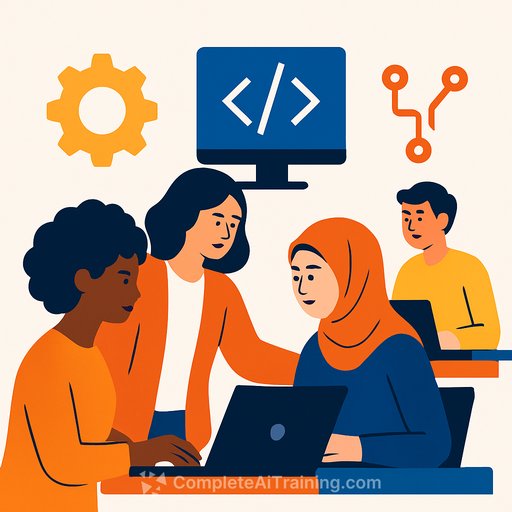
Five years after its establishment at Northeastern University, the Center for Inclusive Computing (CIC) has made significant strides in making computer science education accessible to a broader range of students. Partnering with over 100 institutions, CIC has helped increase the enrollment of women and people of color in computer science at rates much higher than those for men and white students.
Under Executive Director Carla Brodley's leadership, the center focused initially on supporting students who lacked prior computer science experience in high school. These students often start college at a disadvantage compared to peers with a coding background. CIC developed effective strategies to help these students succeed in introductory courses and to attract individuals who might not otherwise consider computer science as a major.
One recent project involves several universities testing integrated computer science majors. These programs combine computer science with other disciplines like statistics, graphic design, and English to broaden appeal and attract new students.
Key Elements Contributing to Increased Diversity
The rise in women of color studying computer science at CIC’s partner schools is notable. This success is largely due to creating an equitable starting point for students new to computing. The approach includes three main components:
- Classroom Environment: Ensuring students don’t feel discouraged in classes where peers might already have experience or discuss AP exam scores. Feeling behind from the start can be demotivating.
- TA Training: Teaching TAs to recognize that not all students have the same coding background, and that lack of experience is not a reflection of intelligence.
- Common Assessment: Standardizing assignments and exams across multiple sections of the same course to ensure all students reach the same learning outcomes.
Interestingly, CIC did not create programs specifically targeting women of color. Instead, the increase occurred because women of color are more likely to lack prior coding experience, which the center’s methods address effectively.
Addressing AI and Cheating Concerns
With the rise of AI-generated code, concerns about cheating have grown among educators. CIC’s partner schools report that teaching assistants are frustrated with grading AI-produced assignments, and faculty notice discrepancies between homework and exam performance.
One solution is implementing grading policies that prevent students from passing solely by submitting AI-generated work. For example, a student's exam grade sets a baseline: if the homework grade is significantly higher than the exam grade, the overall course grade will reflect the lower exam score.
This approach encourages students to use generative AI tools as learning aids rather than shortcuts for cheating. Balancing AI use and academic integrity remains an important area for further research.
Job Market Concerns and AI
Recent media coverage highlights tech layoffs and the possibility of AI replacing coding jobs, causing worry among students. While computer science enrollment remains strong, the rapid growth has made it challenging for universities to staff courses adequately.
Demand for professionals with technical AI skills is expected to remain high. However, students are rightly concerned about the availability of entry-level positions as the field evolves.
Impact of Grant Cancellations on STEM Education
The National Science Foundation has recently canceled some grants that supported CIC projects and other important STEM initiatives. These cuts affect valuable research and education programs. With less than 60% of high schools offering computer science, efforts to support students entering computing at the college level are more critical than ever.
Future Initiatives of the CIC
CIC plans to focus on two key initiatives going forward:
- Access to Technical AI Education: Making education on AI algorithms and technical aspects more accessible to students from a computer science perspective.
- Credit-Loss Problem: Addressing the issue where students transferring from community colleges to four-year universities lose credits, preventing timely completion of STEM degrees due to additional semesters and costs.
Both initiatives aim to reduce barriers and improve pathways for students pursuing computer science and STEM fields.
For educators seeking to support students in AI and computer science, exploring available resources and courses can be beneficial. Platforms like Complete AI Training offer a range of courses that can supplement teaching and student learning in this evolving environment.
Your membership also unlocks: