
AI news ·
HR analytics requires strategy and process foundations before AI can deliver value
Most HR analytics projects fail before they start-not because of bad technology, but because organizations skip strategy and process design. Clean data and useful models depend on those foundations being in place first.
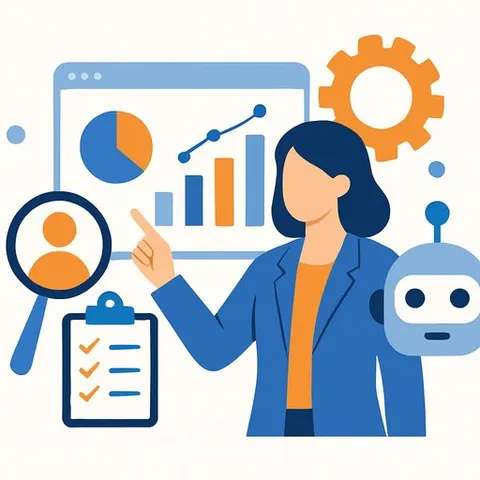
HR Analytics Needs a Foundation. Most Organizations Skip It.
Organizations rushing to deploy AI in human resources are making a critical mistake: they're building the roof before laying the foundation.
The typical pattern is predictable. A company invests in dashboards and predictive models. The outputs look polished. Then nothing changes. Decisions don't improve. Turnover stays high. The models sit unused.
The problem isn't the technology. It's that most organizations skip three essential steps before attempting analytics.
Start with strategy, not dashboards
Before measuring anything, define what you're actually trying to solve. Are you reducing turnover? Filling critical roles faster? Building succession plans? Identifying burnout before it happens?
Without that clarity, HR initiatives become reactive and fragmented. You end up measuring what's easy to measure, not what matters to the business.
Strategy here means concrete, measurable objectives tied to business priorities-not a document that sits in a folder.
Then fix your processes
This is where most organizations fail quietly. Your recruitment system, performance evaluation process, talent management platform, and compensation workflows are where data originates. If these processes are inconsistent, incomplete, or poorly designed, the data they produce will be too.
A performance review process without standardized criteria generates numbers that can't be compared across departments. A recruitment system that doesn't track time-to-fill or sourcing channels prevents you from measuring what channels actually work.
Data quality isn't fixed downstream through cleansing and governance. It starts within the process itself. If information capture is inconsistent or depends on scattered spreadsheets, analytics will inherit those problems.
Then comes actual data
Only after strategy defines priorities and processes structure operations does data become analytically useful.
At this stage, you can build a structural view of your workforce: headcount changes, internal mobility, retention rates, performance by role, skills gaps, and how key metrics trend over time.
The organization stops operating on perception and starts making decisions based on evidence.
Analytics is the final step
Predictive turnover models, talent segmentation, high-potential identification, and personalized development recommendations only work when they rest on the previous three layers.
A technically flawless model built on incomplete or inconsistent data produces useless predictions. The algorithm doesn't fix missing strategy or weak processes. It amplifies them.
This matters now because pressure to adopt AI in HR has led many organizations to prioritize the tool over the institutional architecture required to sustain it.
What this means for managers
If your organization is planning an HR analytics initiative, ask these questions first:
- What specific talent problem are we solving?
- Are our recruitment, performance, and talent management processes standardized and consistently applied?
- Is the data from these processes complete, comparable, and traceable over time?
- Do we have the answers before we build models?
True analytical maturity isn't about adopting advanced models. It's about building the institutional capability to transform strategy into processes, processes into data, and data into decisions.
Learn more about building data capabilities in your organization through Data Analysis training, or explore AI for Human Resources to understand how these foundations apply specifically to talent management.