HR Leaders Must Drive Enterprise AI Adoption, Not IT Alone
Companies moving AI beyond pilot projects face a fundamental problem: the barriers to scale aren't technical. They're organizational.
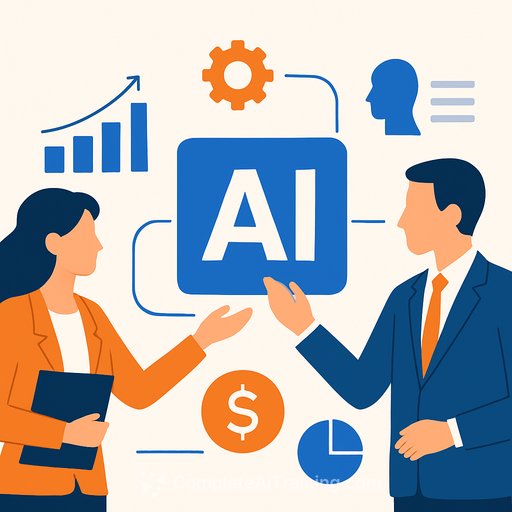
As organizations push to translate AI investments into measurable business outcomes, HR leaders are taking on a central role in workforce strategy, cultural readiness, talent gaps, reskilling priorities, trust, and governance. These factors determine whether AI adoption succeeds across the enterprise or stalls in isolated use cases.
Most companies experiment with AI across multiple functions. Far fewer move beyond pilots. What separates those that scale from those that stall is leadership alignment, not better tools.
The Real Obstacles Are Organizational
Enterprises treating AI as an operating-model shift-rather than a technology deployment-make real progress. The obstacles that emerge tend to center on workforce readiness, trust, communication, training, and governance. These are HR problems, not IT problems.
AI adoption is expanding rapidly across organizations, but execution remains uneven. Companies racing to implement AI strategies often overlook a critical need: executives with deep domain expertise, proven change management skills, and the business acumen to connect AI investments to tangible outcomes.
What HR Leaders Need to Do
HR leaders who develop technical fluency-understanding the language that enables change and impact-will translate experimentation into durable, enterprise-wide results. The key is acting as true strategic partners aligned with technology roadmaps.
By aligning talent strategy, culture, and organizational design with AI initiatives, HR can help ensure a smooth transition to an AI-enabled future of work.
Learn more about AI for Human Resources and AI for Executives & Strategy.
Your membership also unlocks: