
AI news ·
HR plays central role in workplace adoption of AI, experts say
HR departments are central to whether AI implementations succeed or fail, and a new report outlines five steps HR leaders should take. Without their input, costly rollouts risk missing the human side of automation entirely.
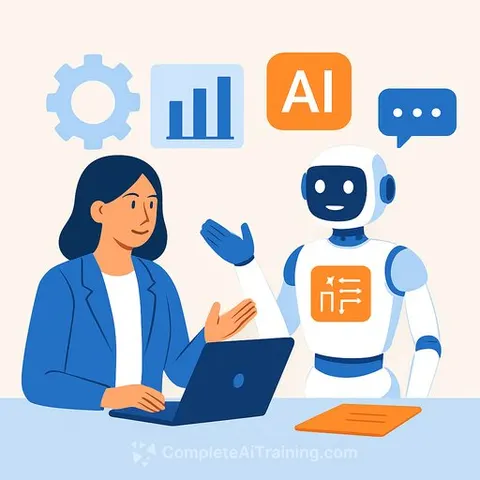
HR Must Lead AI Transformation to Ensure Success
Human resources departments hold the key to whether artificial intelligence implementations succeed or fail in organizations. A feature published in June 2026 outlined five concrete steps HR leaders should take to guide their companies through AI adoption.
The timing matters. As AI tools proliferate across workplaces, HR professionals must move beyond their traditional role and become active architects of how these systems integrate with people, processes, and strategy.
Why HR Leadership Matters
HR teams understand workforce dynamics, organizational culture, and change management in ways that technology departments often don't. They can anticipate how AI will affect employee roles, identify skill gaps, and design transition plans that keep staff engaged rather than anxious.
Without HR input, companies risk deploying AI tools that create friction with workers or fail to address the human side of automation. The result: expensive implementations that don't deliver expected returns.
What Executives Should Know
Three related trends are reshaping how companies should think about AI and workforce strategy:
- Workplace AI productivity gains could enable shorter work weeks. Some experts predict AI-driven efficiency improvements will make four-day workweeks feasible.
- Demand for AI-adjacent skills is accelerating. Workers who can manage and work alongside AI systems will command premium value; those who don't adapt risk falling behind in the job market.
- Digital tools directly affect retention and satisfaction. One large employer successfully boosted employee well-being across more than 20,000 staff members using digital workplace tools, which also improved productivity.
These shifts require HR and executive teams to work in tandem. Strategy leaders need HR's perspective on workforce readiness, while HR needs executives to commit resources and remove organizational barriers.
For executives responsible for strategy, learning how HR can lead AI transformation is essential. Explore AI for Executives & Strategy to understand how leadership teams are approaching these decisions. You may also find value in reviewing AI for Human Resources to see the specific tools and frameworks HR departments are using.