How HR Tech and AI Are Transforming Global Workforce Operations
Global trade doesn't move on software alone. It moves on people. Every container, customs clearance, and shift change is the result of a workforce spread across countries, time zones, and regulations.
That scale forces a different approach. HR systems are no longer back-office. They sit inside the operational core-predicting staffing, guarding compliance, and keeping production steady across borders.
The New Workforce Reality Inside Global Trade
Running large teams across countries used to depend on intuition and spreadsheets. That era is over. Production runs 24/7, demand swings fast, and compliance can't be handled by memory.
- Labor shortages create structural pressure: Logistics, warehousing, and manufacturing roles are hard to fill. Talent competition is global, not local.
- Regulations multiply across regions: Work hours, safety standards, data privacy, and documentation vary by country. Scale requires automated tracking.
- Speed outpaces legacy systems: Real-time operations need real-time workforce data. Delays compound cost.
The takeaway: HR tech is now a strategic lever, not a HR-only decision.
Why HR Technology Is Becoming a Global Operations Priority
Modern platforms unify staffing, training, productivity, and compliance in one place. That unification shows up on docks, in yards, and on lines-not just in dashboards.
- Faster response to demand shifts and reroutes
- Earlier detection of labor risk and fatigue
- Consistent training and safety across facilities
- Cleaner audits and fewer shipment delays
- Better employee experience, lower churn
Where AI Fits Into Global Workforce Operations
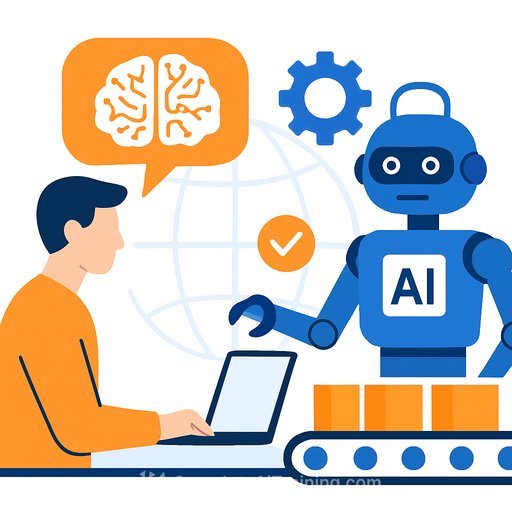
AI doesn't replace HR or managers. It strengthens judgment by connecting thousands of small signals you'd never catch in time.
- Predict staffing needs: Forecast seasonal spikes, shortages, and overtime buildup before they hit throughput.
- Improve hiring and onboarding: Speed screening and verification across borders and reduce manual bottlenecks.
- Strengthen retention: Spot patterns in scheduling, workload, and fatigue early-intervene before burnouts and exits.
- Streamline compliance: Monitor regional rules and flag risks sooner to avoid penalties and slowdowns.
The Impact on Supply Chains and Cross-Border Logistics
Compliance That Keeps Operations Moving
One missed rule can stall cargo or trigger fines. Modern HR systems track updates in real time and surface issues before they hit the floor. For example, align processes with data privacy requirements such as the EU GDPR and labor standards from the International Labour Organization.
Adaptive Staffing Across Borders
Shortages rarely hit every region at once. Connected workforce data highlights surplus capacity in one site and gaps in another. You can rebalance shifts, reassign certified workers, and keep SLAs intact.
Training That Scales Globally
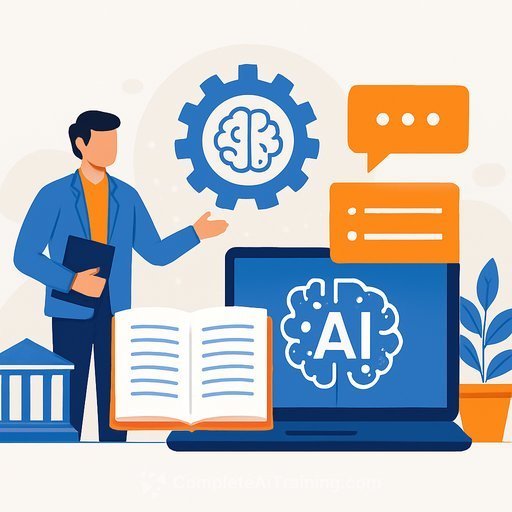
AI-enabled learning systems standardize safety, track completion, and adjust content to skill gaps. Fewer incidents, faster onboarding, tighter compliance, and better throughput.
Real-Time Workforce Intelligence
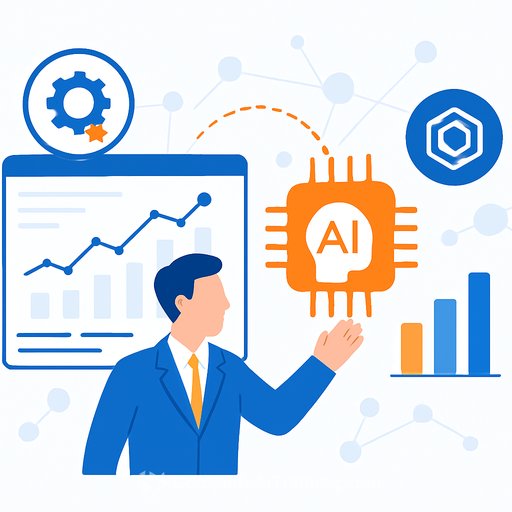
End-of-week summaries are too late. Live insights into attendance, productivity dips, fatigue risk, and workflow interruptions let managers intervene before delays take hold. The human side of the supply chain finally moves as fast as the tech side.
Why Global Operations Leaders Are Prioritizing HR Technology Now
- Talent shortages persist: You can't automate every critical role. You need tools that extend the team you have.
- Unified systems beat patchwork: Multi-country scheduling, training, and compliance demand integration.
- Volatility is constant: Congested ports, redirected routes, and sudden volume spikes require instant staffing shifts.
- Workers expect stability and clarity: Fair schedules, consistent safety, clear communication, and growth paths matter.
- Legacy software lags: It wasn't built for real-time visibility or cross-border collaboration.
90-Day Plan to Modernize Workforce Operations
- Days 1-30: Map every workforce system by country. Identify data gaps in scheduling, timekeeping, certification, and safety. Pick one high-variance site for a pilot.
- Days 31-60: Stand up a centralized HRIS + workforce management pilot. Connect to payroll and access control. Turn on live attendance, overtime alerts, and certification tracking.
- Days 61-90: Add AI forecasting for demand-driven staffing. Roll out standardized training with completion tracking. Document SOPs for cross-border shift reassignments.
Weekly Metrics Ops Should Watch
- Fill rate by shift and site
- Overtime hours per worker and per team
- Absenteeism and late starts
- Certification expirations and training completion
- Incident rate and near-miss reports
- Throughput per labor hour and bottleneck flags
Guardrails for Responsible AI in HR
- Human-in-the-loop for decisions: Keep managers accountable for hiring, promotion, and discipline.
- Auditability: Log data sources, model versions, and rationale for recommendations.
- Fairness checks: Test for bias across regions, roles, and demographics. Mitigate before rollout.
- Privacy by default: Limit access, minimize sensitive data, and adhere to local laws.
- Worker transparency: Tell teams what's being analyzed and why. Trust improves adoption.
Tools to Consider
- Core HR + time/attendance: Centralize profiles, schedules, overtime, and leave.
- Learning systems: Standardize safety and role training with proof of completion.
- AI forecasting: Predict staffing needs by lane, site, and seasonality.
- Compliance monitoring: Automate rule updates and policy enforcement by country.
If you need to upskill managers and HR partners on AI fundamentals for operations, explore practical training by job role here: AI courses by job.
The Future: AI-Enabled Global Workforce Optimization
We're moving from reactive scheduling to systems that adjust themselves. Workloads will rebalance before queues grow. Shifts will flex during spikes. Risks will get flagged before an audit or incident interrupts flow.
For operators, this is the path: centralize workforce data, add real-time visibility, layer AI where it reduces delay or risk, and keep a human in charge. Do that, and your people systems will move as fast as your freight.
Your membership also unlocks: