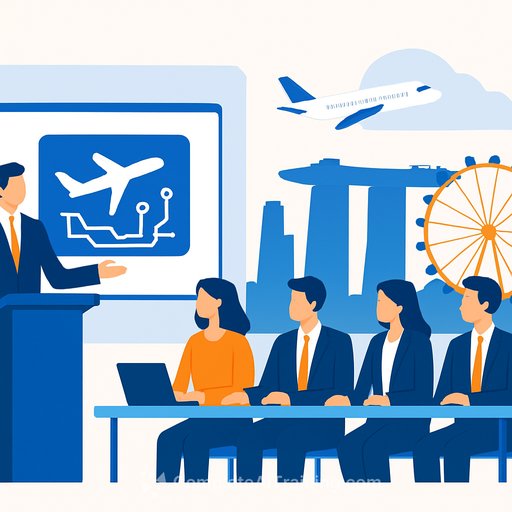
IATA Symposium in Singapore to Showcase AI and Cybersecurity Advances for Airlines and Hotels
The IATA World Data Symposium 2026 will bring together airline and hospitality leaders in Singapore on April 8-9 to discuss how artificial intelligence and data analytics are changing travel operations and guest experiences. Singapore Airlines, Marriott, and Accor will lead sessions on using AI to predict demand, optimize routes, and personalize customer service.
The timing reflects industry recovery. Global passenger numbers exceeded 5.2 billion in 2025, and airlines are now processing more data than ever to manage that scale. Cybersecurity has become critical as airports and carriers depend increasingly on digital infrastructure.
What Airlines Are Doing With AI
Singapore Airlines has deployed AI to streamline check-in, improve flight schedules, and deliver personalized services. The airline uses data analytics to predict demand patterns and manage disruptions-tools that competitors like Emirates, Delta, and Qantas are also adopting to stay competitive.
Airlines are using these systems to reduce wait times and improve in-flight services. Real-time data lets them adjust operations when problems occur.
Hotels and Data-Driven Guest Experience
Marriott and Accor are integrating AI-powered customer service systems and predictive analytics to understand guest preferences. These tools enable automated check-ins, personalized room settings, and targeted loyalty offers.
As tourism demand grows-France received over 90 million international visitors in 2025, Spain hosted 96.8 million-hotels are using data to streamline operations and improve satisfaction. Barcelona and Madrid airports are using analytics to manage bookings and predict conditions that affect traveler experience.
What This Means for Travel Professionals
If you work in hospitality or events, these developments affect how you'll operate. Dynamic pricing systems mean booking costs will fluctuate based on demand. Guest expectations are shifting toward personalized experiences delivered through mobile apps and AI concierge services.
Staff will need to work alongside AI tools rather than replace them. Understanding how data flows through your property-from booking systems to in-room controls-will become essential.
Cybersecurity as a Business Issue
The symposium will address a practical concern: as hotels and airlines add more digital systems, they create more targets for attacks. Collaboration between hospitality firms, airlines, and cybersecurity experts is needed to protect guest data and keep operations running.
Hotels and airlines handling payment information and personal details face regulatory pressure to secure those systems. Breaches affect reputation and operations directly.
Tourism Growth Driving Technology Investment
The US saw record international visitor numbers in 2025, with growth expected to continue as airlines add routes to New York, Los Angeles, and Miami. France and Spain are using data systems to manage visitor flows at major attractions and reduce crowding.
For hospitality professionals, this growth means higher occupancy but also higher expectations. Guests arriving from markets using advanced booking apps expect the same experience everywhere.
Practical Changes for Travelers
Tourists planning trips to Singapore, France, Spain, or the US after the symposium should expect faster check-ins, better real-time information, and more personalized recommendations. Apps will show crowd sizes at attractions and suggest optimal visit times.
Airlines will offer better connections between airports, hotels, and destinations. Hotels will use mobile apps to let guests control room settings and book services directly.
Learning More
Hospitality professionals interested in understanding these trends should explore AI for Hospitality & Events resources. The role of AI Data Analysis in operations is particularly relevant as hotels and airlines make decisions based on guest and passenger behavior data.
The symposium signals where the industry is headed. Hotels and airlines that understand how to use data and AI will compete more effectively. Those that don't will fall behind as guests expect more personalized, efficient service.
Your membership also unlocks: