AI Writing Tools vs Student Creativity: A Parent's Guide to Smarter Learning
Published on: Jan 24, 2026 * 12:32 pm IST
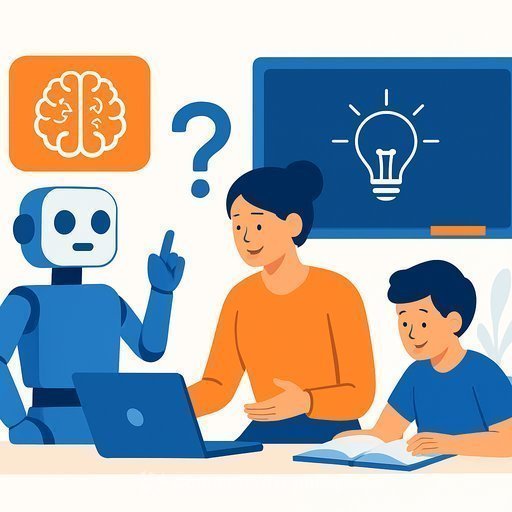
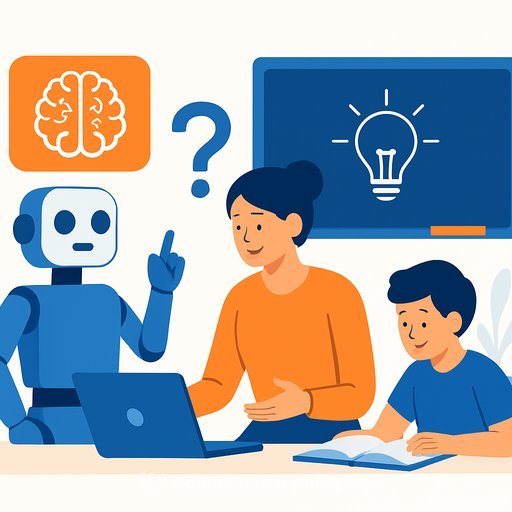
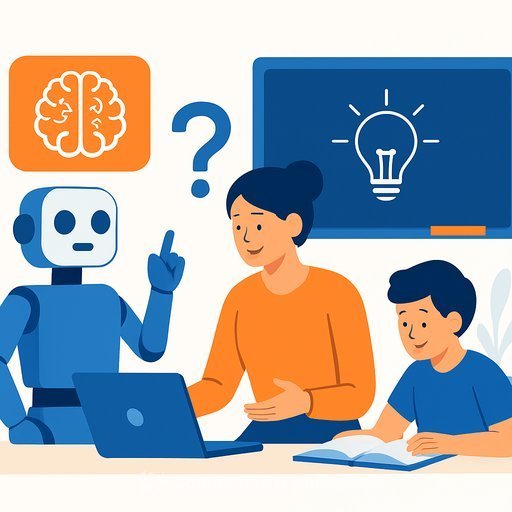
BLS World School uses technology to support learning while keeping independent thinking and creative expression at the centre. The question isn't "AI or creativity?" It's how we keep student voice strong while AI becomes a classroom skill. (BLS World School)
Why this matters for educators
Tools are getting smarter. Students are tempted to outsource the hard part-thinking. Your job is to set conditions where AI supports learning without replacing effort, ideas, and personal voice.
What is an AI writing tool?
It's software that helps with grammar, clarity, structure, and vocabulary. In schools, it can reduce fear of the blank page and clean up language. The risk: if it does the heavy lifting, students skip the struggle that builds understanding.
How these tools work for students
AI predicts words and structures from patterns in large datasets. That prediction can nudge students forward, but it can also flatten originality if accepted uncritically. Smarter learning still needs effort, iteration, and reflection.
What AI cannot replace
- Emotional intelligence
- Personal experience
- Moral reasoning
- Original imagination
At BLS World School, students learn: thinking comes before tools-always.
What is student creativity?
It's the ability to form ideas independently, connect concepts in new ways, and express a unique voice. It shows up in writing, reasoning, communication, and problem-solving-not just art.
Why creativity still drives learning
- Builds confidence in one's own ideas
- Strengthens emotional intelligence
- Improves decision-making
- Prepares students for real-world ambiguity
Originality in student writing
Great writing sounds like the student who wrote it. Overuse of AI can produce text that is technically sound but emotionally thin. That's not the goal.
Efficiency vs originality: the core tension
- AI: fast generation * Creativity: slower, meaningful thinking
- AI: pattern-based * Creativity: emotion and insight
- AI: predictable structure * Creativity: personal voice
- AI: reduces effort * Creativity: builds resilience
- AI: efficient * Creativity: deep, lasting learning
Impact of AI on creativity
Positive (with limits): reduces fear of writing and improves language accuracy. Negative (with overuse): weakens idea formation, reduces independent thinking, and encourages shortcuts.
Human creativity vs artificial intelligence
Human creativity grows through curiosity, mistakes, and imagination. AI learns from patterns in data. When the struggle disappears, so does growth.
How AI can support smarter learning
- Improve grammar and sentence flow
- Expand vocabulary and vary sentence structures
- Offer outlines as starting points-not endpoints
BLS World School's stance
- AI is a supportive aid, not a substitute
- Independent drafting comes first; refinement comes after
- Student voice leads every assignment (BLS World School)
Clear guardrails schools can adopt
- Draft-first rule: handwritten or offline draft before any AI use
- Process evidence: require planning notes, outlines, and revision logs
- AI use statements: students disclose exactly how AI was used
- Rubrics that reward original thinking, voice, and reasoning
- Assessment mix: include oral defenses, in-class writes, and project deliverables
- Topic design: choose prompts tied to lived experience and course-specific sources
Classroom practices that protect creativity
- Think-alouds: students explain ideas verbally before writing
- Idea sprints: 5-7 minutes of silent brainstorming without devices
- Peer questioning: critique the idea, not just the grammar
- Revision ladders: content and argument first, polish later
- Reflection notes: what changed in your thinking and why?
Ethics and academic integrity
- AI text isn't automatically original-citation and honesty still apply
- Avoid "AI detectors" as a single source of truth; focus on process artifacts
- Teach paraphrasing, summarising, and proper attribution
Known disadvantages of over-dependence
- Declining confidence in one's own ideas
- Surface-level writing with limited depth
- Blurred authorship and ethical concerns
- Slower creative growth that's hard to rebuild later
Can students use AI ethically?
Yes-if AI supports learning and never replaces thinking.
- Independent drafting first
- AI only for refinement and clarity
- Student creativity leads the work
How parents can help (in partnership with schools)
- Ask children to explain ideas out loud before they write
- Encourage short handwritten drafts
- Promote discussion-based learning at home
Creativity development at BLS World School
- Project-based learning
- Open-ended questions
- Creative expression activities
As a leading school in Greater Noida West, the goal is simple: ideas first, tools second. AI supports learning without replacing student voice. (BLS World School)
Action steps for this term
- Update assignment briefs with AI-use rules and disclosure lines
- Shift grading weight toward originality and reasoning
- Collect process evidence: outlines, drafts, and reflections
- Schedule at least one in-class write or oral defense per unit
- Run a 30-minute AI literacy session focused on ethical use
Further reading and training
- UNESCO: AI in Education - policy and classroom guidance
- Complete AI Training: Courses by job role
- AI for Writers
- AI Learning Path for Primary School Teachers
Conclusion
AI writing tools are powerful, but creativity needs protection and practice. Once originality and independent thinking slip, they are hard to rebuild. The priority is clear: keep student voice at the centre and let AI serve the learning process-not define it.
Note to the Reader: This article is part of Hindustan Times' promotional consumer connect initiative and is independently created by the brand. Hindustan Times assumes no editorial responsibility for the content.
Your membership also unlocks: