AI-Related Class Actions Are Increasing in Canada
As artificial intelligence (AI) becomes more embedded in sectors like healthcare, finance, and employment, Canada is seeing a rise in class action lawsuits involving AI. This trend reflects growing concerns about privacy breaches, algorithmic bias, and the lack of transparency in AI-driven decisions.
The Rise of AI Class Actions
With AI systems influencing more aspects of daily life, the potential for harm grows. Individuals and groups are recognizing risks such as discriminatory algorithms and unauthorized data access. When damages are too small for individual suits, class actions offer a collective way to seek accountability.
Legal Implications
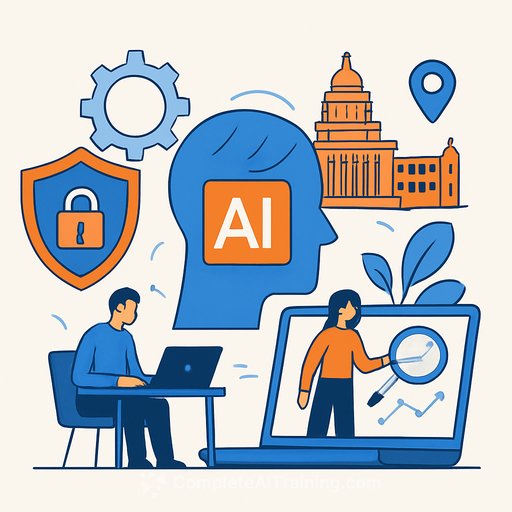
Current regulations may not fully address AI's unique challenges. Legal experts highlight that class actions can fill gaps, holding organizations accountable for AI-related harms. This trend points to a clear need for updated laws and guidelines specific to AI use in Canada.
What This Means for Legal and Operations Professionals
- Stay informed about AI-related legal trends and risks.
- Ensure AI systems in your organization comply with privacy and anti-discrimination standards.
- Prepare for potential liabilities by developing clear policies and documentation around AI decision-making.
For professionals wanting to deepen their knowledge on AI and its implications, exploring specialized AI courses can offer practical insights. Check out Complete AI Training's latest courses for up-to-date learning options.
Conclusion
The rise of AI-related class actions in Canada serves as a warning: businesses and policymakers must prioritize ethical AI development and clear legal protections. Proactive measures can reduce risk and build trust in AI technologies moving forward.
Your membership also unlocks: