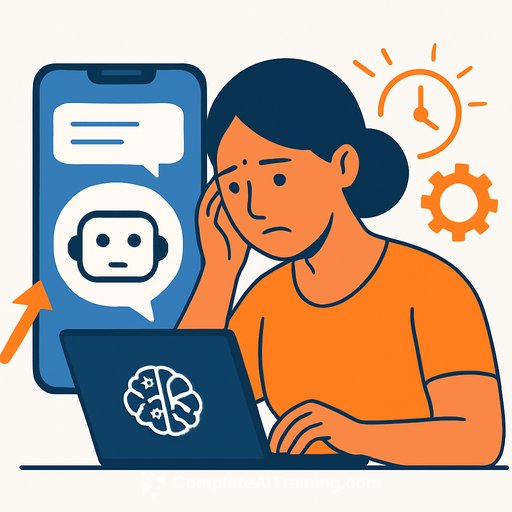
Global Shift in AI: What Educators Need to Do Next
Generative AI has moved from curiosity to daily use. New findings from the OECD-Cisco Digital Well-being Hub show clear winners, clear gaps, and urgent work for education leaders.
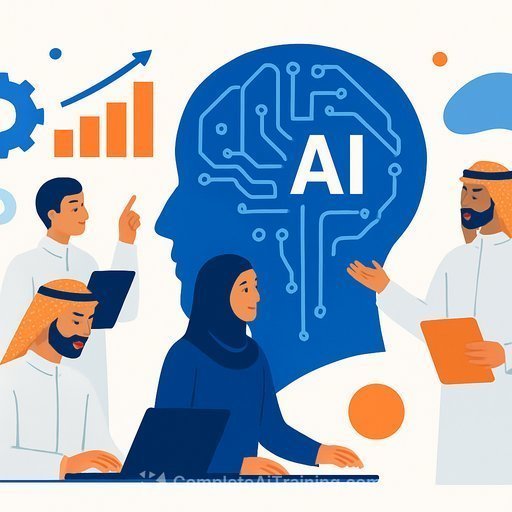
The headline: younger adults are adopting AI fast, and emerging economies are outpacing advanced nations. India leads on use, trust, and training-setting a pace many systems will struggle to match without focused action.
India Sets the Pace
Across 14 countries and 14,600 respondents, India stands out. 66.4% already use generative AI, the highest share in the study. 84% trust AI fully or partially, and 77.9% have taken some form of AI training.
Interest is compounding: 56.8% plan to pursue AI training next year. Most respondents also report positive social impact from technology, with only a small minority saying it hurts connections.
The Generational Split You Can't Ignore
Adoption is age-dependent. Adults under 35 report the highest use, and over 75% say AI is useful. Nearly half of those aged 26-35 have completed AI training.
Older groups are more hesitant. Many over 55 say they "don't know" if they trust AI-more unfamiliarity than rejection. Younger adults and respondents in emerging economies expect the biggest shifts in job roles as AI becomes routine.
Digital Well-being Is a Parallel Priority
High adoption travels with high screen time. In India, 63.6% spend more than three hours daily on recreational screen use. Across India, Brazil, Mexico, and South Africa, people report stronger emotional highs and lows tied to digital activity.
Globally, more than five hours a day of recreational screen time links to lower life satisfaction. Correlation isn't causation, but the pattern is consistent enough to justify school-wide guardrails and measurement.
What This Means for Schools, Colleges, and Training Teams
- Baseline AI literacy for all: staff, faculty, and students. Define what "responsible use" means in your context.
- Tiered professional development: intro modules for everyone, role-specific paths for educators, advisors, and administrators.
- Close the age gap: create low-friction learning for late adopters-short workshops, coaching circles, and templates anchored in daily tasks.
- Curriculum refresh: embed AI for research, writing support, lesson design, assessment feedback, and admin workflows.
- Assessment integrity: clear policies on AI assistance, citation norms, and tool-logging where appropriate.
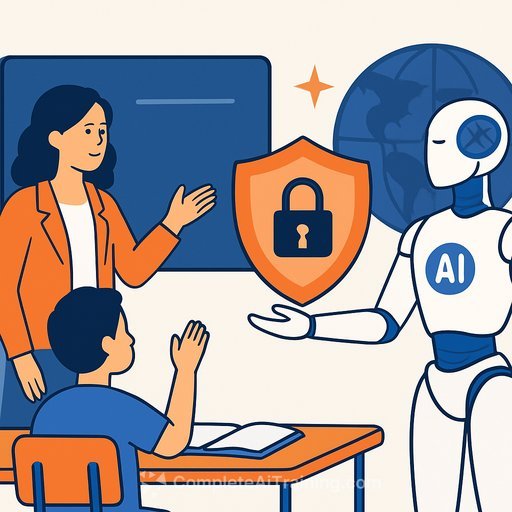
- Ethics and safety: teach bias, privacy, and consent with real classroom examples and student-produced case studies.
- Digital well-being: set time budgets, focus windows, and offline blocks. Track impact with brief weekly check-ins.
- Equity: ensure access to devices, connectivity, and offline alternatives so AI support doesn't widen gaps.
90-Day Plan You Can Put in Motion
- Days 1-30: Run a 90-minute AI basics session for all staff. Publish your AI use matrix (allowed, cautioned, disallowed). Audit current tools and policies.
- Days 31-60: Launch micro-credential pilots for educators (lesson design with AI, formative feedback, research literacy). Introduce student AI literacy modules.
- Days 61-90: Stand up reskilling cohorts for admin and support teams. Pair late adopters with AI mentors. Collect quick wins and publish exemplars.
Skill Gaps Are the Risk-Reskilling Is the Fix
The report signals momentum and disparity: fast uptake among younger adults, slower movement in older groups. Cisco notes 26,000 employees have completed AI training and points to cross-industry initiatives to prepare the workforce.
Use authoritative resources to guide policy and pedagogy. See the OECD-Cisco Digital Well-being Hub for data and tools: OECD Digital Well-being. For classroom policy and curriculum conversations, review UNESCO's guidance on generative AI in education: UNESCO guidance.
Ready-to-Use Learning Paths for Your Team
If you need structured options for staff and student upskilling, explore curated programs and certifications aligned to roles and skills.
- Role-based AI course collections: Courses by job
- Newest programs to keep pace with tool updates: Latest AI courses
- Credential paths your HR team can adopt: Popular certifications
Digital Well-being: Simple Guardrails That Work
- Set clear norms: define "assistive" vs. "outsourced" work for students and staff.
- Time-box recreational use on campus devices; encourage focus modes and batching for academic tasks.
- Run 5-minute weekly pulse surveys on mood, focus, and sleep; adjust schedules if signals dip.
- Offer parent and guardian mini-classes on AI use, privacy, and screen-time habits.
The takeaway is straightforward: adoption is high, skill gaps are real, and well-being needs attention. Educators who move first-on training, policy, and measurement-will set their communities up for better learning and better work.
Your membership also unlocks: