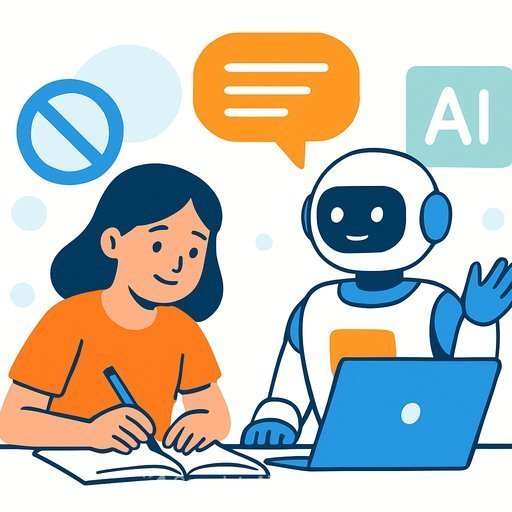
Law Schools Must Teach Students How AI Works, Not Just Legal Theory
Indian law schools teach legal doctrine and theory. That's no longer enough. Lawyers today need to understand how AI tools function-from predictive analytics that forecast litigation outcomes to software that reviews contracts automatically.
The legal profession is already changing. AI systems assess case results, analyze regulatory disputes, and process massive datasets. A law graduate who doesn't understand these tools will struggle in commercial litigation and regulatory work.
What's Missing From Legal Education
Law schools continue to rely on conventional approaches. Students learn principles and precedent, but not how to collate large datasets, search through extensive databases, or evaluate what an AI tool recommends before acting on it.
That gap matters. A lawyer must know whether an AI system's prediction is sound before betting a case on it. They need to question the data, understand the model's limits, and make the final decision themselves.
How to Fix It
Adding AI to legal education requires intention and care. It should not replace foundational skills-legal reasoning, writing, and client judgment remain essential. Instead, schools should teach students how prediction tools work and when to trust them.
This means teaching students to work alongside AI, not under it. They learn to use these systems as tools that inform decisions, not make them.
Any change to legal curriculum must be inclusive, ensuring all students-not just those at elite institutions-gain this knowledge. It must also maintain pedagogical standards. Adding AI content for its own sake weakens education.
Learn more about AI for Legal professionals and how to integrate AI competencies into your practice.
Your membership also unlocks: