Indonesia’s Commitment to AI Ethics and Inclusivity
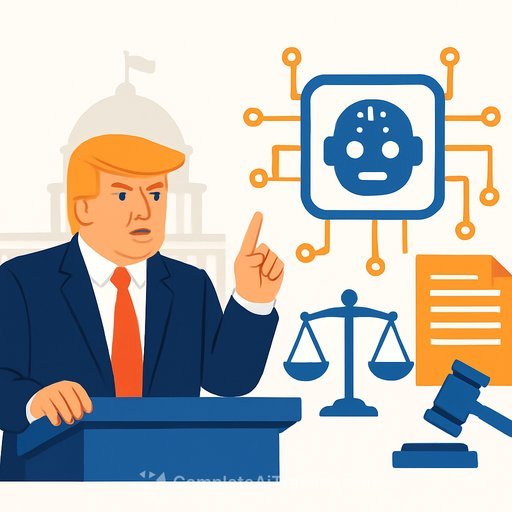
Jakarta – The Ministry of Communication and Digital (Komdigi) has underscored the need to embed ethics and inclusivity into artificial intelligence (AI) governance. At the UNESCO Global Forum on the Ethics of Artificial Intelligence held in Bangkok, Thailand, Deputy Minister Nezar Patria reaffirmed Indonesia’s active role as a developing country in transforming AI ethics principles into actionable regulations.
Integrating Ethics into Policy
Indonesia has incorporated UNESCO's AI ethics and inclusivity guidelines into its national policies. Patria emphasized that the country supports the UNESCO Recommendation on the Ethics of AI (2021) and has moved beyond endorsement to implement measurable steps at the national level.
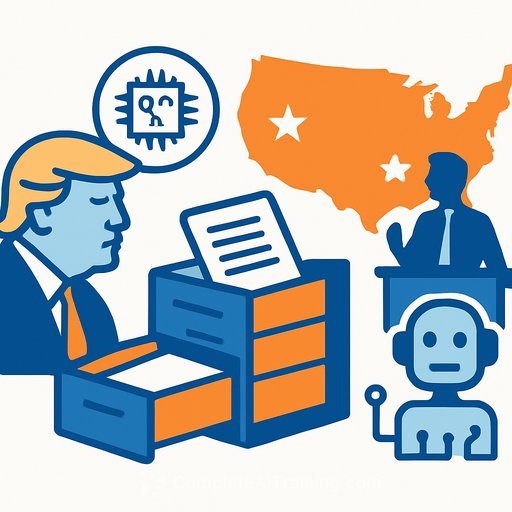
- Developing a national AI strategy that will soon be followed by formal AI regulations.
- Preparing an Ethics-based Artificial Intelligence Roadmap, involving key stakeholders in its final stages.
- Completing the National AI Readiness Assessment (AI-RAM) to identify AI strengths and challenges across sectors.
Additionally, the ministry has released a Ministerial Circular on AI Ethics as an interim guideline for industry and public institutions. Existing laws, such as the Personal Data Protection (PDP) Law and the Information and Electronic Transactions (ITE) Law, are also used to provide legal support for data protection and ethical AI information processing.
Challenges for Developing Countries
At the forum, Patria highlighted three key challenges for developing nations in AI governance:
- Balancing AI regulation with innovation.
- Limited availability of digital talent.
- Infrastructure and technical standard disparities between regions.
To address these challenges, Patria called for stronger collaboration among Global South countries. He stressed that international cooperation should focus not just on technology transfer, but on shared responsibility for ethical and inclusive AI development. The goal is to ensure no country is excluded from the AI transition.
Looking Ahead
The inter-ministerial dialogue forum in Bangkok, held from June 24-27, brought together government leaders, AI experts, industry representatives, and academics. Participants reviewed progress since the 2021 UNESCO Recommendation on AI Ethics, which has been adopted by over 194 countries worldwide.
For government officials involved in AI policy and governance, Indonesia’s approach offers a practical example of integrating international ethical standards within national frameworks. This ensures AI advances are inclusive, responsible, and aligned with public interest.
To explore practical AI training and courses that can support government teams in ethical AI implementation, visit Complete AI Training.
Your membership also unlocks: