Indonesia sets readiness-based rules for digital tech and AI in education
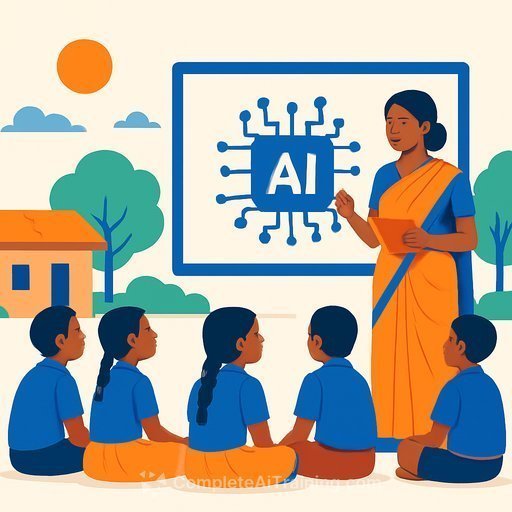
Indonesia has issued a joint ministerial decree regulating how digital technology and AI are used from early childhood education through higher education. The goal is straightforward: support learning while guarding children from digital risks. "Every technological advancement must consider the readiness of its users, especially children."
The policy involves seven ministries and gives schools, teachers, and families a shared frame for responsible use. It ensures students build real capability with technology rather than becoming passive targets for the tech industry. As one senior official noted, use must be wise-useful benefits, lower risks, and age-appropriate decisions.
What the decree sets out
The regulations call for age and readiness to guide how long and how deeply students interact with tech, plus the types of tools and content used. They emphasize support for learning, protection from harm, and clear roles for schools and families.
- Readiness first: Match tools and tasks to developmental stage.
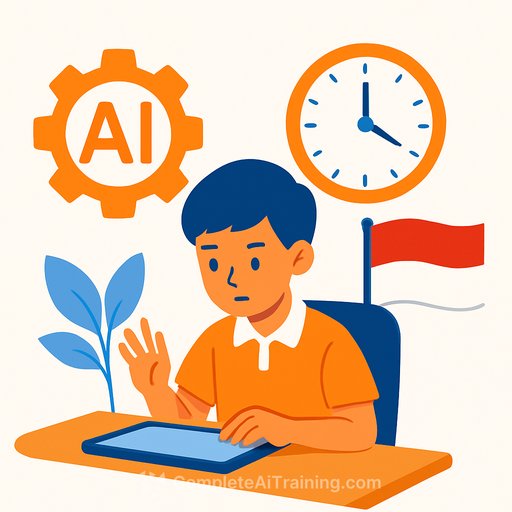
- Control for younger learners: Tighter limits on time and content variety.
- Purpose over novelty: Technology must serve clear learning goals.
- Protect children: Reduce exposure to risks and data misuse.
- Build capability: Students learn to use tech, not be used by it.
Why this matters for education leaders
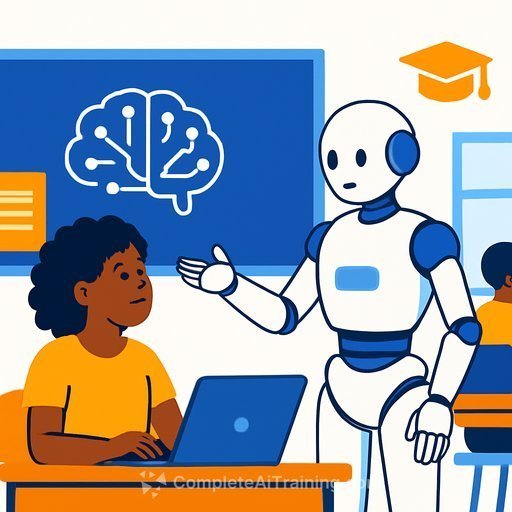
Indonesia has a huge base of young internet users. Without guardrails, classrooms can drift into distraction, safety issues, and shallow learning. With them, schools can focus on literacy, numeracy, creativity, and character-supported by tech, not replaced by it.
What to do now: a quick action plan
- Audit current apps and AI tools by grade band. Keep what clearly improves learning and has transparent data practices. Drop the rest.
- Set age-based guardrails for both time and content. Short, guided sessions for younger students; deeper, project-based use as students mature.
- Create a student-friendly AI use policy: what's allowed, what's not, disclosure rules, and consequences.
- Build staff capability with practical training. See the AI Learning Path for Teachers to get started.
- Engage families. Share screen-time expectations, safety guidance, and how homework uses tech.
- Require vendor agreements on privacy, security, and data retention. No data sales. Clear opt-outs.
- Adopt classroom routines: cite AI assistance, fact-check outputs, and use plagiarism and AI-detection sensibly.
- Track incidents (exposure to harmful content, bias, outages) and review them each term.
Age-appropriate use: practical guardrails
- Early childhood (PAUD): No unsupervised tech. Keep activities short and hands-on first. Use curated, ad-free tools with an adult present.
- Primary: Short bursts tied to reading, math, and creative tasks. Teach basic safety and kindness online. Block open web and in-app chats.
- Lower secondary: Use AI for idea generation, feedback, and research support with credibility checks. Limit total screen time per lesson and require source evaluation.
- Upper secondary and higher ed: Use AI for planning, drafting, analysis, and coding where appropriate. Require disclosure, citation, and critical review. Update academic integrity policies.
Risk checks before adopting any AI or app
- Is the content age-appropriate and free of ads or algorithmic rabbit holes?
- What data is collected? Where is it stored? For how long? Can parents/students delete it?
- Can teachers control interactions (prompts, chats, uploads) and turn features off?
- Does the tool show bias or stereotypes in outputs? How will you monitor and correct?
- Are there strong offline alternatives for the same learning goal if tech fails?
- Is the tool accessible (language options, low bandwidth modes, inclusive design)?
- Who is accountable if something goes wrong, and what is the response plan?
Keep learning and stay updated
Expect more technical guidance as the decree rolls out. In the meantime, align your school's policy, procurement, and PD with readiness-based use. For curated classroom ideas and resources, explore AI for Education.
Helpful global references on child readiness and safety include UNICEF's guidance on AI and children and WHO's recommendations on screen time for young children: UNICEF Policy Guidance on AI for Children and WHO guidelines on sedentary behaviour for under-5s.
Your membership also unlocks: