Top Industrial Real Estate Trends in 2025
The industrial real estate sector is experiencing notable shifts driven by advancements in technology and changes in global supply chains. Key trends like the integration of artificial intelligence (AI), reshoring of manufacturing, and evolving logistics demands are shaping how industrial spaces are designed, utilized, and valued.
The Growing Influence of AI on Industrial Real Estate
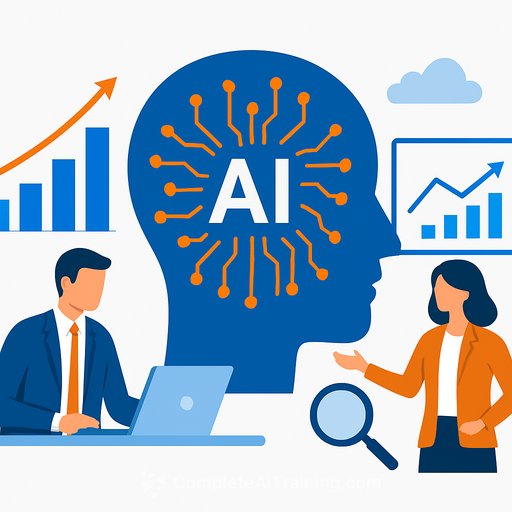
AI is transforming industrial operations by optimizing warehouse management, predictive maintenance, and supply chain logistics. These improvements increase efficiency and reduce costs, influencing the demand for smarter, technology-enabled industrial facilities.
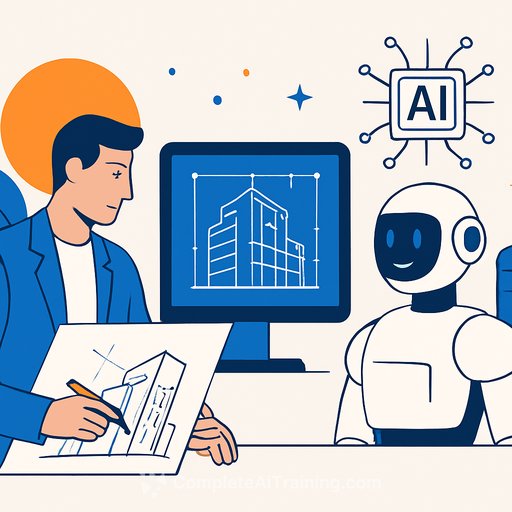
Industrial properties now often require infrastructure to support AI-driven automation, including enhanced connectivity, sensor networks, and flexible layouts that accommodate robotics and automated systems.
Reshoring and Its Impact on Facility Location
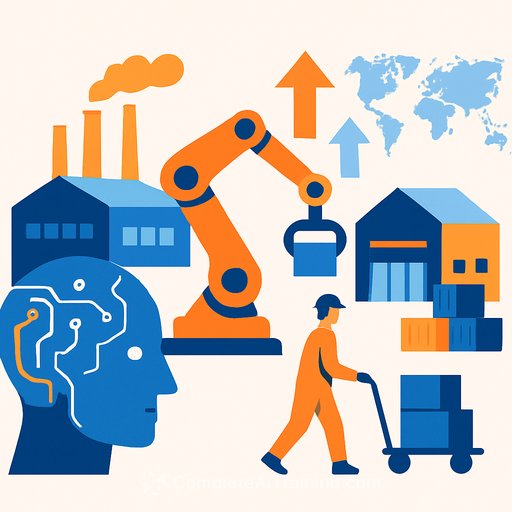
Reshoring—bringing manufacturing back to domestic markets—is reshaping industrial real estate markets. This trend leads to increased demand for facilities closer to end consumers, reducing transportation times and costs.
Regions with favorable labor markets and logistics infrastructure are becoming hotspots for new industrial developments, prompting investors and developers to adjust their strategies accordingly.
Key Trends Shaping Industrial Real Estate
- Last-Mile Delivery Focus: Growing e-commerce requires more last-mile distribution centers near urban areas, creating demand for smaller, strategically located warehouses.
- Sustainability: Energy-efficient buildings and green certifications are becoming standard as companies seek to lower environmental impact and operating expenses.
- Flexible Space Usage: Multi-use industrial spaces that support diverse functions—from manufacturing to fulfillment—are gaining popularity.
- Enhanced Safety and Compliance: Regulatory standards and health protocols continue to influence design and operation of industrial facilities.
For professionals in real estate and construction, staying current on these trends is crucial for making informed decisions about development, investment, and property management.
To explore how AI tools can further optimize industrial real estate projects and facility management, consider checking out specialized courses on Complete AI Training.
Your membership also unlocks: