Dynamic Creative Optimization: Real-Time Ad Assembly, Multivariate Testing, and Personalized Experiences at Scale
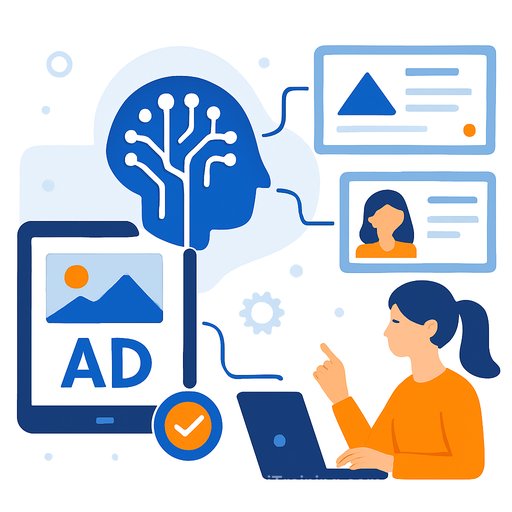
Static ads treat everyone the same. Dynamic Creative Optimization (DCO) assembles ads on the fly from modular elements-headlines, images, CTAs, colors, offers-so each impression fits the person and context in front of it.
Teams using advanced DCO see 50-150% higher CTRs, 30-60% lower CPA, and the ability to test creative hypotheses 100x faster than traditional A/B testing. For creatives, that means more ideas in market, less guesswork, and quicker proof of what actually works.
From Fixed Creative to Real-Time Personalization
Phase 1: static banners copied from print-one look for everyone. Phase 2: rule-based personalization-use conditions to swap elements, but only as many rules as the team can manage (often 10-50).
Phase 3: modern DCO-machine learning picks the best combination per impression without hand-written rules. With just 10 headlines, 10 images, 5 CTAs, and 3 color schemes, you already have 1,500 unique variations to test and learn from automatically.
How DCO Works (without the fluff)
- Creative asset library: Modular elements tagged by type, theme, tone, constraints, and usage (e.g., exclude "luxury" images from value messaging). Your tags are the backbone of relevance.
- Real-time decision engine: In 50-100 ms, it evaluates audience attributes, context (content, device, time, weather, location), and live performance to predict the best combo for each impression.
- Ad assembly: HTML5 templates define layout and motion; the system drops in selected images, headlines, colors, and CTAs; then renders banners, video, carousel, or interactive units in milliseconds.
Machine Learning That Actually Helps Creatives
- Multi-armed bandits: Allocate more impressions to winners while still testing new combos. Thompson Sampling and UCB are common choices that balance learning and performance.
- Contextual bandits: Learn which elements win by audience and setting-e.g., product-first visuals + urgent copy for retargeting at night vs. lifestyle + aspirational tone for weekend prospecting.
- Deep learning scoring: Models read visual attributes (color, object placement, faces, text position) to predict performance before testing, speeding convergence by 25-35%.
Creative Element Strategy: Give the System Real Range
If all headlines say the same thing, the algorithm can't learn. Aim for variety across message, tone, and visual style so results are meaningful.
- Messaging themes: value, quality, convenience, innovation, sustainability
- Visual styles: product-focused, lifestyle, abstract
- Tone options: professional, casual, urgent, aspirational
- Social proof: ratings, testimonials, usage stats
- Urgency: limited-time, seasonal, inventory-based
Write each element to be plug-and-play. Keep headlines concise, CTAs specific, and imagery brand-consistent but distinct enough to test real differences.
Production Workflows Built for Scale
- Template-first design: Create master layouts that accept variable content without breaking the brand system.
- Automated adaptation: Generate all sizes and specs from masters to cover display, social placements, and video templates.
- AI-assisted variations: Use generative tools to expand headlines, crops, and copy lengths. Teams report 3-5x more elements with 40-60% lower production cost.
Personalization Signals and Privacy
First-party data (CRM, site behavior, purchase history, app usage) is your highest-signal input. Think: category affinity, price sensitivity, fulfillment preferences, and local availability.
Contextual signals keep relevance high without identity data: page content, daypart, weather, device, and location for copy, imagery, and offer shifts. Many brands maintain 80-90% of personalization performance using contextual and cohort-level signals.
Useful standards worth knowing: Google's Topics API and IAB Tech Lab's Seller-Defined Audiences. They help inform creative choices without cross-site identifiers.
Cross-Channel DCO and Format Moves
- Video DCO: Assemble intros, product scenes, testimonials, offer cards, and CTAs per viewer. Brands see 40-70% better completion rates and 50-80% higher post-view conversions.
- Social DCO: Keep one element library, tune per platform (Meta, TikTok, Pinterest, LinkedIn). Coordinated strategies lift overall efficiency by 30-45%.
- CTV and DOOH: Adapt to household-level data, content context, and local signals on big screens in near real-time.
Measurement That Teaches You How to Create
- Element-level reporting: See how each headline, image, and CTA performs by audience and context. Keep the winners; rewrite or retire the laggards.
- Interaction effects: Find combinations that click together (great headline + specific image) and avoid mismatches.
- Creative fatigue detection: Auto-rotate fresh elements when performance slides. Teams sustain 20-30% better results vs. letting assets decay 15-25% over time.
What's Next for Creatives
Generative systems will move from picking among your elements to creating new ones in cycle-fresh headlines, visuals, and offers shaped by live feedback. Your role shifts to setting strategy, defining guardrails, and curating taste.
AR and interactive formats will widen the canvas. Think adaptive try-ons, configurators, and room previews that respond to context and behavior in real time.
Quick Start Checklist for Creatives
- Define 4-6 messaging themes, 3 visual styles, and 3-4 tones. Write 8-12 headlines and 4-6 CTAs across those dimensions.
- Tag everything: theme, tone, product, audience, usage constraints, and legal notes.
- Build flexible HTML5 and video templates. Stress-test with extreme-length copy and varying image crops.
- Start with contextual + first-party signals. Map which creative knobs change with which signals.
- Adopt bandit-style testing; cap initial element count to ensure learnings within two weeks.
- Set fatigue thresholds and auto-rotation rules before launch.
- Create a weekly ritual: review element winners/losers, ship 10-20% new variations, retire the bottom 10%.
Keep Learning
For workflows, tools, and case studies that help creatives produce modular libraries and test at scale, explore AI for Creatives.
Your membership also unlocks: