Irish researchers launch €1m project to advance AI-generated code for industry and academia
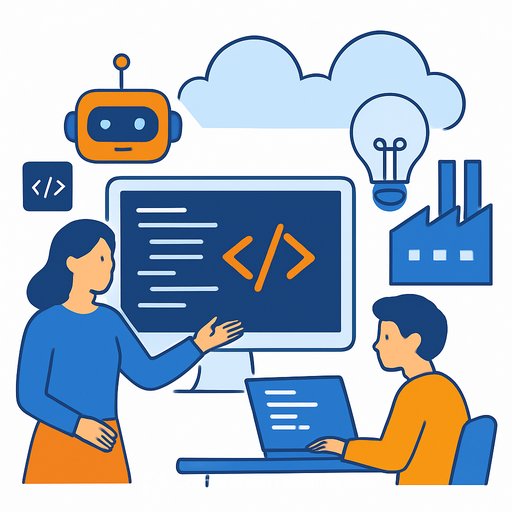
Lero, the software research centre at the University of Limerick, has kicked off a €1m research project focused on how AI-generated code changes the way software is built, learned, and maintained. Backed by Amazon Web Services, the team will study developer practices, the deployment of cognitive models, and how knowledge about programs is created and shared across teams.
The work is led by Professor Chris Exton within UL's Immersive Software Engineering (ISE) programme, alongside Professor Jim Buckley and Dr James Patten. The goal: practical guidance for engineering teams and educators on when and how to use AI coding tools without losing code quality, comprehension, or accountability.
What the project will cover
- Impact of generative AI on program knowledge, documentation, and long-term maintainability.
- Where cognitive models fit in modern workflows, from prototyping to production and support.
- Engineer strategies for development, code review, testing, and comprehension when AI writes part of the codebase.
- How computer science education is adapting within ISE and beyond to prepare students for current software practices.
- Actionable strategies for integrating AI code-generation into curriculum design, labs, and assessment.
Why it matters for engineers and educators
- Engineering leaders need clarity on code ownership, licensing, and auditability when AI contributes to source code.
- Teams must rethink code review, security, and test coverage to catch subtle defects introduced by assisted code.
- New developer skills are emerging: effective prompting, verifying AI output, and preserving architectural intent.
- Educators need clear policies on AI use in coursework, realistic lab setups, and assessment methods that reward thinking, not just output.
"We want students ready for careers where tools change fast," said Professor Chris Exton. "This work looks at how people learn, how they build durable skills, and how AI shifts day-to-day software practice."
"This project will sharpen our view of where software education is headed," added Joe Gibbs, general manager of Lero. "We appreciate AWS's support as we ask hard questions about preparing the next generation of software professionals."
Ian McGarry, director at AWS in Ireland, said the company backs independent research that can move computer science education forward and welcomed the expanded collaboration with the University of Limerick.
Collaboration context
The project builds on ongoing work between UL and AWS, including the ISE Global Fellowships programme supported by AWS. Lero's national research network and industry ties position the team to test ideas with both classrooms and live engineering environments.
What to watch next
- Guidelines and toolkits for responsible adoption of AI coding assistants in courses and production teams.
- Studies on comprehension, defect patterns, and developer workflows when integrating code-generation tools.
- Opportunities for industry pilots, internships, and educator workshops aligned to ISE's curriculum.
For a deeper look at practices and tools in this space, explore Generative Code and the AI Learning Path for Software Developers.
Learn more about the organisations involved: Lero and Amazon Web Services in Education.
Your membership also unlocks: