
AI news ·
IRS warns AI gives hackers new tools to exploit outdated device software
AI tools help hackers find software vulnerabilities faster, making device updates critical. The IRS warns that delaying patches leaves phones and computers open to known exploits.
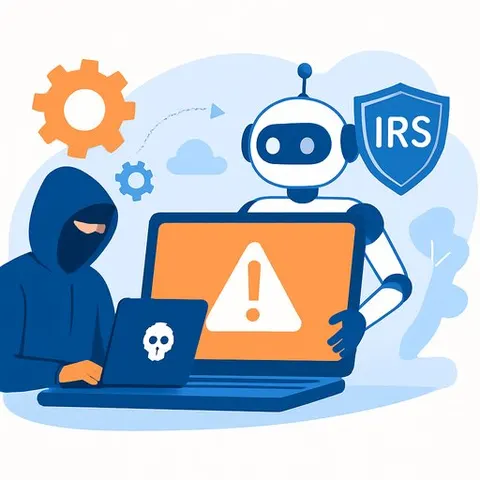
AI-powered hacking tools increase security risks for device users
Hackers now use artificial intelligence to find vulnerabilities in smartphone and computer software more efficiently than before. The Internal Revenue Service and its Security Summit partners warn that keeping devices updated is no longer optional-it's essential.
Software updates close security gaps that AI-assisted attackers can exploit. Operating system makers release updates regularly, sometimes almost daily, to patch newly discovered weaknesses.
Smartphones require active maintenance
The average smartphone user has around 80 applications installed, each requiring separate updates. Both iOS and Android devices offer automatic update options that reduce manual work.
iPhone users can enable automatic app updates through Settings by navigating to Apps, then App Store, then the App Updates tab. Manual updates are also available through the App Store profile menu, where you can select Update All.
Android users can configure automatic updates through Settings as well. If an app stops updating, deleting and reinstalling it from the app store often resolves the issue.
Computers and major applications
Most operating systems update automatically when you shut down your computer, making it easy to stay current without intervention. Word processing, email, and spreadsheet programs should also be updated regularly.
Antivirus software typically updates each time you restart your computer. Most programs allow you to manually scan your hard disk to detect infected files.
Password management adds another layer
Changing passwords every three to six months reduces exposure if credentials are compromised. Password managers simplify this process by storing and organizing multiple credentials securely.
The gap between software release and installation creates risk. Delayed updates leave devices vulnerable to attacks that exploit known weaknesses.