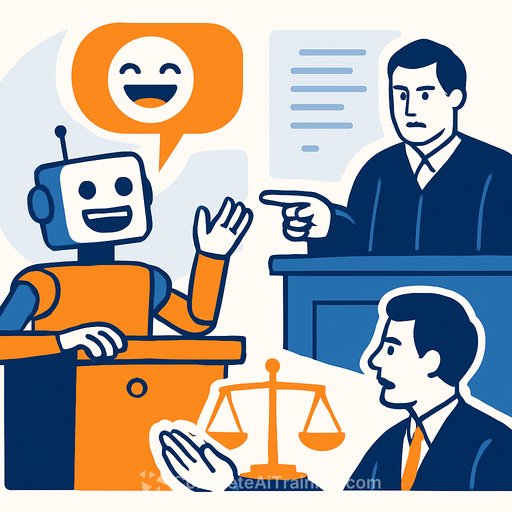
Should You Sell Your Book to Train AI for $340?
A "one-time use" offer lands in your inbox. $340 for your book to be used for AI training. It sounds tidy and harmless - like a disposable wipe. But datasets aren't disposable. Once ingested, your words live inside a model's weights. There's no practical way to pull them back out.
Writers feel exposed here for good reason. Large language models generate plausible text, not hard-won insight. Swap a wild raspberry for an artificially flavored drink mix and you get the idea. Quality suffers, readers lose, and the economics of writing get squeezed.
What "one-time use" often implies
"One-time" usually refers to the act of copying your book into a training set. The use that follows is ongoing and opaque. Your voice, structure, and subject matter can influence outputs long after the check clears.
That's why the price matters. You aren't selling a single read. You're licensing a persistent contribution to a system that can compete with you.
Run the math before you decide
- Baseline: What's your current royalty per copy? Example: $1.19.
- Time to equal the fee: How many copies to match $340? Example: ~286 copies.
- Trend: How many copies do you sell per year now? How many years to hit $340?
- Cannibalization: Could training depress future sales, speaking gigs, or teaching opportunities tied to the book?
- Upside: Will exposure realistically increase sales? With most training deals, there's no attribution or link-back.
Questions to ask the buyer
- Which company is it? Subsidiaries and affiliates included.
- What model(s) will use it, and for what purposes (research, product, fine-tuning, evals)?
- Is this limited to current versions or future releases too?
- How will they store, secure, and document your content's use?
- What's the deletion protocol if you revoke permission?
Terms worth negotiating
- Non-exclusive, non-transferable license with no sublicensing.
- Scope limits: training only, no output reproduction of distinctive passages.
- Model/version limits: name the models and versions covered; future uses require fresh consent.
- Deletion rights: documented purge from datasets, checkpoints, caches, and backups.
- Transparency: a log of when and where your work was used.
- Most-favored-nation: if others get a better rate or rev-share, you can match it.
- Credit: dataset acknowledgments where displayed.
- Indemnity: you aren't liable for downstream uses or outputs.
- Audit or third-party verification of compliance.
- Payment structure: consider fee + performance kicker (e.g., per active model, per year, or revenue share).
Pricing frameworks to consider
- Flat fee: simple, but risky if the model succeeds.
- Flat fee + annual renewal: keeps leverage and updates price over time.
- Flat fee + usage kicker: an annual bonus tied to active deployment or revenue tiers.
- Curation premium: well-edited books beat random web text; price accordingly.
If you decline
- State a clear "no license granted" and keep a record.
- Monitor for unauthorized use and submit takedowns where appropriate.
- Stay current on policy and enforcement via the U.S. Copyright Office's AI resource page: copyright.gov/ai.
If you accept
- Sign your own rider with the terms above; don't rely on their boilerplate.
- Mark the exact files delivered and hash them to avoid scope creep.
- Set calendar reminders for renewal, audit, and deletion checks.
About the "they already trained on it" worry
Some companies have pulled from shadow libraries without permission in the past. Settlements and lawsuits continue, and rules are still forming. Don't let that push you into a cheap deal. If anything, it strengthens your case for price, limits, and deletion rights.
Ego vs. data
Models don't ingest your "wisdom." They ingest tokens. Word by word. That can feel insulting to the craft. But it also cuts through the fog: license terms define the value of your tokens, or you keep them out.
Practical bottom line
- If the fee won't beat your expected lifetime royalties and there's no upside kicker, pass.
- If they won't name the company, models, or give deletion rights, pass.
- If they meet strict terms and pay real money with renewal, maybe.
Build resilience either way
- Strengthen direct reader relationships: email list, subscription, events.
- Productize your expertise: talks, workshops, study guides, premium editions.
- Use AI as a tool for drafting and research without giving away your rights. For vetted tools and workflows for writers, see this resource: AI tools for copywriting.
You don't need to answer every AI question today. You do need a pricing floor, a rights checklist, and the confidence to say no. Your work took years. Treat the license like it matters - because it does.
Your membership also unlocks: