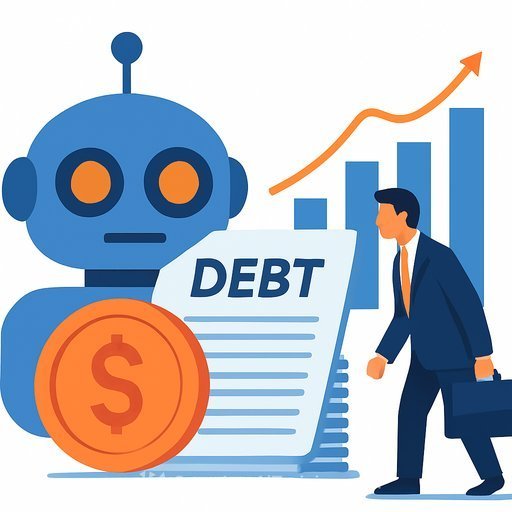
Jeremy Grantham on AI, Valuations, and the Anatomy of a Bubble
Markets don't move in straight lines, but they do rhyme. Jeremy Grantham's latest note brings the discussion back to first principles: a bubble is a two-standard-deviation move above a market's long-term real price trend. By that definition, he argues the U.S. equity market has been in bubble territory for a while.
What's unusual today isn't the speculation. It's that prices haven't completed the typical round trip. In past developed-market episodes-1929, 1972, 2000-two-sigma bubbles retraced all the way back to trend. The lack of a full reset after the December 2021 peak is the outlier worth studying.
AI: Real innovation, shaky pricing
Grantham is genuinely impressed by AI's potential. He calls it a fast-moving, consequential technology that feels like science fiction made accessible to anyone with a phone. History backs the pattern: big innovations often spark big market excess.
But admiration isn't the same as investable pricing. AI is still immature, with convincing errors that can fool even careful users. Previous tech waves ran hot, broke, then matured-rewarding patient capital after deep drawdowns, not at peak multiples.
Valuation is the anchor
Boons get extrapolated. During booms, investors assume favorable conditions will last indefinitely, and multiples stretch to reflect that assumption. The historical record suggests those assumptions get repriced-sometimes abruptly-when confidence fades.
Grantham's base case when sentiment turns: a hit to confidence, a stumble in the economy, a profits slump, and a sharp valuation reset. The timing is unknowable; the pattern is familiar.
What this means for investors
- Separate tech progress from stock returns. A great product isn't a great investment at any price. Anchor to cash flows, unit economics, and plausible margins.
- Use base rates. Profit margins and valuation multiples mean-revert. Stress-test portfolios for earnings declines and multiple compression.
- Rebalance away from crowding. Trim exposures where narratives have outrun fundamentals. Favor quality and reasonable price. Consider international and unloved assets where implied expectations are lower.
- Keep dry powder. Have a plan to add risk after forced sellers set prices. Write the rules now; follow them when volatility hits.
- Define "what would change my mind." For example: a full valuation reset, or broad-based earnings growth that justifies current prices without heroic assumptions.
Practical checkpoints to track
- Valuation spreads between popular AI winners and the market.
- Earnings breadth: are gains concentrated or diffusing across sectors?
- Credit spreads and refinancing costs that pressure profits.
- Capex discipline: are projects clearing real return hurdles, or chasing hype?
Grantham's message is not about calling tops. It's about respecting cycles. History says excess unwinds before the next durable leg higher. Discipline beats prediction when the crowd is sure of itself.
Further reading
Bottom line: respect the innovation, price the risk, and let process-not enthusiasm-set your allocations.
Your membership also unlocks: