
AI news ·
Judge strikes down Trump administration blacklisting of Anthropic
A federal judge struck down the Trump administration's blacklisting of Anthropic, ruling the government violated the First Amendment by retaliating against the AI firm for refusing to enable lethal autonomous warfare and mass surveillance.
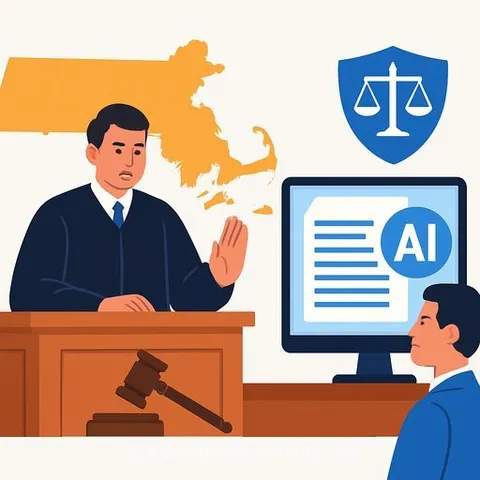
A federal judge has struck down the Trump administration's blacklisting of Anthropic, the company behind the AI assistant Claude, ruling that the government illegally retaliated against the firm for refusing to drop safety restrictions on its technology.
Judge Rita Lin of the US District Court for the Northern District of California vacated government directives that had barred all federal agencies from using Anthropic's products and banned defense contractors from doing any business with the company. Lin granted key portions of Anthropic's motion for summary judgment, finding the administration's actions violated the First Amendment.
The dispute behind the ruling
The controversy began after Anthropic refused to allow its AI products to be used for lethal autonomous warfare and mass surveillance of Americans. President Trump and Defense Secretary Pete Hegseth then ordered the company permanently cut off from government work, including contracts unrelated to the military.
Lin wrote that the administration's national security justification was "slim" and that officials had "backed away from the thrust of their risk assessment," which claimed Anthropic had backdoor access to its technology once deployed in national security systems. The court found Anthropic "undisputedly lacks any such access" and that its technology poses no greater risk than other AI models.
"The empty invocation of national security is not a blank check to punish and retaliate against government critics," Lin wrote. The ruling orders the administration to rescind the directives deemed illegal.
What the ruling changes
The decision restores Anthropic's ability to bid on federal contracts and removes the mandate that kept defense partners from working with the company. It also sets a legal precedent for how courts review national security claims when those claims are used to punish companies that take policy positions.
For officials involved in AI procurement, the case clarifies that a security designation alone won't hold up in court if the underlying reasoning is not supported. Agencies now face added pressure to document actual technical risk rather than relying on broad security claims. That shift affects how AI for Government initiatives assess vendors and manage compliance.
The ruling is a reference point for future challenges to executive restrictions on technology companies. It reinforces that companies retain First Amendment protection when they decline work they consider harmful, even when public contracts are at stake.
What this means for government officials
Agencies may now be required to re-evaluate old procurements and lift existing bans on Anthropic services, creating compliance work for officers responsible for contracts. For contracting officers, the takeaway is direct: a political justification for excluding a vendor will not hold if it masks retaliation and lacks supporting evidence.
Administrations-of either party-will need to base vendor restrictions on documented technical findings, not policy disagreements. DoD participate in program managers and IT acquisition staff should review their internal vendor evaluation practices and ensure they treat a supplier's refusal to build mass surveillance or autonomous weapons as a factor in contract awarding.
The case also points to the value of clear standards for AI for Policy Makers who write the requests for proposals and set the terms for what AI vendors cannot be pressured to support.