AI Tries To Write The News: What Writers Can Learn From Juneau's "Record Snow and Cold" Week
AI wrote two stories about Juneau: one about "record" snow and cold, another about Eaglecrest Ski Area starting its 50th season. The drafts sounded confident. They also mixed plausible details with unverified claims and timeline errors.
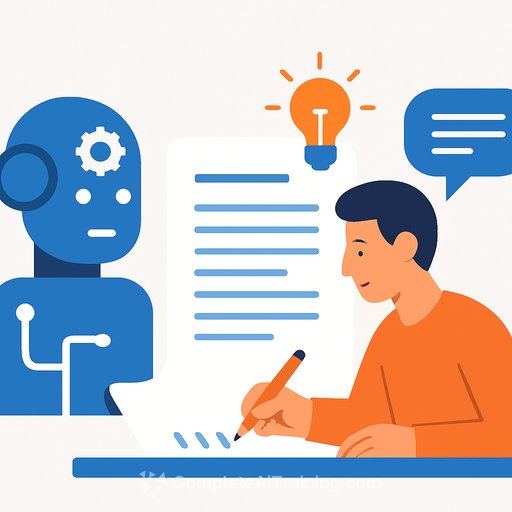
If you're a writer using AI, this is your use case. Treat the model like a fast, messy first draft. Your job is to verify, cut filler, and add the local nuance machines miss.
What the AI did well
- Framed the moment: extreme weather, community still showing up for events, and a milestone season at a local ski area.
- Captured likely impacts: flight delays, tricky roads, power stress, and safety risks during a cold snap.
- Used structure: clear headlines, subheads, and sections you can quickly reshape into a usable story.
Where it went off course
- Inflated numbers with no sources: "over 90 inches" of December snow and "coldest temperatures ever recorded" were stated as fact without citations.
- Timeline mismatch: claimed Eaglecrest "opened its gates for the 50th season" while the human report said it closed for a day due to a water line break and faced lift repairs.
- Generic filler: broad claims about "aging infrastructure," "high-speed quad plans," and "non-profit operations" read like template copy, not verified reporting.
- Confidence without attribution: absolute language ("unprecedented," "historic") without links or quotes sets a trap for credibility.
A fast workflow for writers using AI on local news
- Set the brief: 3 bullets: what happened, who's affected, what's changing now vs. last week.
- Pull sources before drafting: official alerts, agency data, the venue's site, and recent posts from credible local entities.
- Draft with AI for speed, not truth: ask for structure, angles, and possible impacts. Expect errors.
- Verify every number and superlative: records, totals, and wind speeds need links to public data.
- Localize: neighborhoods, microclimates, and specific lifts, routes, or venues people actually use.
- Add human texture: a quote (on the record), a photo caption you wrote, or a precise timeline from officials.
- Service first: what's open/closed, where to get updates, and when to check back.
- Cut the fluff: remove generic boilerplate and any claim the model can't support.
- Final pass: check names, dates, temperatures, wind chill, and links; then tighten sentences.
Fact sources to keep handy
- Weather and warnings: National Weather Service Juneau (AJK)
- Ski status and operations: Eaglecrest Ski Area
Red flags to scan in AI drafts
- Superlatives ("record," "historic," "unprecedented") with no citation.
- Exact totals (inches, gusts, temperatures) without a source and timestamp.
- Institutional claims (budgets, upgrades, non-profit status) written as if obvious.
- Timeline slips: an "opening" framed as current when it's delayed or closed.
- Passive voice that hides accountability ("it was decided," "there were outages").
- Copy that could fit any town or ski hill; if it feels generic, it probably is.
Practical edits for cold-weather coverage
- Lead with the delta: "Temperatures dropped to X; wind gusts up to Y; citywide wind chills near Z." Keep it crisp.
- Break out impacts: roads, transit, flights, schools, and utilities. One sentence each.
- Clarify geography: "Mendenhall Valley colder; highest winds downtown and Douglas." Locals think in maps.
- Service block: where to warm up, closures, and next official update time.
- Avoid false precision: if data varies by neighborhood or time, say so and link to the source.
Turning the Eaglecrest example into a clean brief
- What happened: A water line break closed the ski area for a day; lift repairs are taking longer than expected.
- What's true right now: There's a solid base from recent cold, but operations depend on repairs and water service.
- What readers need: which lifts are running, lodge services status, and the next update window.
- What to verify: repair timelines, lift names, and specific outages (snowmaking line, lodge water).
How to use AI here without losing trust
- Have the model list likely impacts and questions a reader would ask. Use that as your checklist.
- Ask it to draft two headlines: one straight, one service-first. Pick the clearest.
- Feed it your verified notes to rewrite the body in plain language. Keep quotes and numbers locked to sources.
- Run a final prompt: "Remove exaggeration, cite sources, keep sentences under 20 words." Then you edit again.
Ethical guardrails
- Don't let AI invent records, quotes, or timelines.
- Disclose AI assistance internally; the byline and accountability stay human.
- If you can't verify a claim fast, cut it or label it clearly as forecast or pending confirmation.
Tools and training for writers
- Explore vetted tools for drafting, paraphrasing, and outlining: AI tools for copywriting
Bottom line
AI is useful for speed and structure. It's not a substitute for sourcing, local knowledge, or accountability.
Use it like an intern: it drafts fast, you verify everything, and you publish only what you can stand behind.
Get Daily AI News
Your membership also unlocks:
700+ AI Courses
700+ Certifications
Personalized AI Learning Plan
6500+ AI Tools (no Ads)
Daily AI News by job industry (no Ads)
Advertisement