
AI news ·
Juror use of artificial intelligence threatens trial integrity and complicates misconduct investigations
50% of Americans use AI chatbots, pushing fabricated citations into federal courtrooms. Lawyers must update jury instructions to prevent verdicts based on false AI answers.
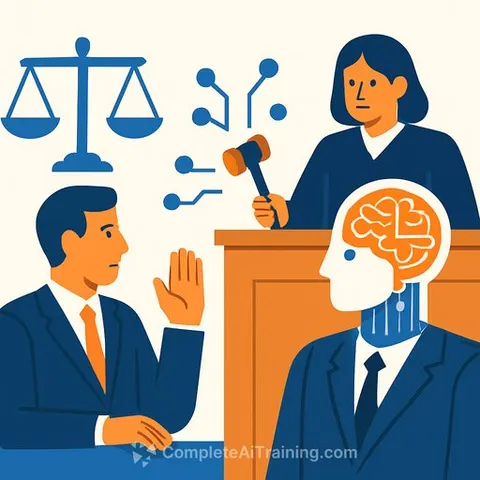
In 2026, half of Americans reported using AI chatbots, a sharp rise from one-third in 2024. That adoption is already disrupting courtrooms. A Mississippi federal judge recently had to sort through AI-corrupted filings from both sides of a case, as attorneys submitted briefs riddled with AI-generated errors. Congressional oversight letters reveal that two federal district judges - one in New Jersey and one in Mississippi - issued decisions containing serious factual inaccuracies linked to apparent AI use in their chambers. Even a self-described "AI expert" was caught submitting an AI-generated declaration with fabricated case citations. These incidents point to a growing threat: generative AI is likely reaching jury rooms, where it can feed jurors confident but false legal answers that undermine the right to a fair trial.
The false confidence of generative AI
When a juror conducts a Google search and lands on a Wikipedia article, they likely recognize what they are reading as informal and unverified. But when a juror asks a generative AI tool for the standard of negligence in a personal injury case, they receive a confident, well-structured, legal-sounding answer with citations. That AI-generated answer will not account for whether the case is civil or criminal, federal or state, or which state's law governs. It may also contain hallucinations - fabricated statutes, invented case citations, or invented legal rules. None of that will be apparent to a common juror. The result is a juror who believes they are better informed, when in fact they have received false legal instruction from a source no judge authorized and no attorney can cross-examine.
Enforcement challenges for courts
Courts have long grappled with juror misconduct in the internet era, but AI use is far more threatening to trial integrity. The existing prohibition is clear: jurors must decide cases based solely on evidence admitted at trial and instructions given by the judge. However, enforcing this standard presents multiple challenges. The court must first determine whether there was juror misconduct. If misconduct is found, the court must then determine if it actually influenced the verdict. When the alleged misconduct involves AI, it's particularly difficult to identify the chatbot used, what exactly the juror searched, the actual answer they received, and how it impacted deliberations. There hasn't been a report of a civil verdict overturned due to AI juror misconduct, but that doesn't mean it hasn't occurred - it likely went undetected.
Proactive steps for defense counsel
Defense counsel cannot afford to wait for documented instances of juror misconduct through generative AI. Proactive trial management is the only safeguard while courts, bar associations, and legislatures work to catch up. When preparing for trial, counsel should consider the following steps:
- Updated voir dire: Ask prospective jurors directly about their use of generative AI and whether they know those tools sometimes provide false information.
- Demand explicit AI instructions: Request jury instructions that specifically prohibit consultation of generative AI by name - not just generic prohibitions on "internet research."
- Vet opposing counsel's filings: AI-generated hallucinations in briefs and motions are now common enough that defense counsel should verify opposing citations as a matter of course.
- Scrutinize expert work product: All expert witnesses should be questioned about their AI tool use in preparing reports and opinions.
- Preserve the record for post-trial relief: If juror misconduct through the use of AI is suspected, investigation of juror conduct is time-sensitive and subject to juror secrecy rules that vary by jurisdiction. Counsel who have built a trial record on AI through voir dire, jury instructions, and preserved objections are better positioned to support a motion for new trial.
Why this matters for legal professionals
The integration of AI into jury deliberations is not a hypothetical future risk - it's a present danger that demands immediate action. Trial lawyers must adapt their voir dire, jury instructions, and filing review practices now. Waiting for an overturned verdict is not an option. For those seeking to understand the intersection of AI and legal practice, resources on AI for Legal can provide essential training on these emerging risks.