Kadrey v. Meta and the U.S. Copyright Office's AI Report
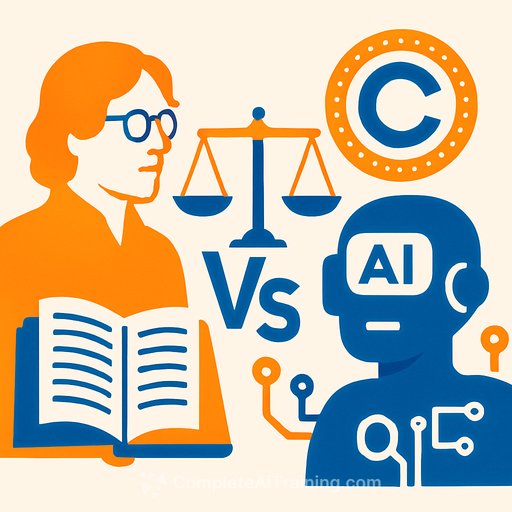
The plaintiffs in the landmark Kadrey v. Meta case have submitted the U.S. Copyright Office’s recent AI report as evidence in their copyright infringement suit against Meta. This “pre-publication version” of the report, quietly released last Friday, outlines the Office’s views on using copyrighted works to train generative AI models. Its findings present challenges for AI companies relying on the fair use doctrine as a defense.
Less than 24 hours after the report’s release, Shira Perlmutter, the head of the Copyright Office, was fired by President Donald Trump. The reasons remain unclear, but the timing raised concerns among copyright lawyers.
What Does the U.S. Copyright Office’s AI Report Say?
The report is the final part of a three-phase investigation into copyright law and artificial intelligence, focusing on a legal area still lacking clear guidelines. It specifically tackles issues central to the Kadrey v. Meta case, including the use of copyrighted materials in training AI models.
While some have speculated that the report influenced Perlmutter’s dismissal, others suggest the Office hurried its release to avoid delays from upcoming leadership changes.
Meta and other AI companies have claimed their use of copyrighted works during AI training falls under fair use. The 113-page report, devoting about half its content to fair use analysis, references past court cases supporting and opposing fair use claims. Although it stops short of issuing definitive rulings, the overall tone favors copyright owners rather than AI firms collecting massive data sets for training.
The Copyright Office’s stance contrasts with the generally pro-tech approach of the Trump Administration, which has been more favorable toward AI companies. Plaintiffs are clearly hoping this report will strengthen their case. The submitted document was labeled a “Statement of Supplemental Authority,” noting it addresses key points about the use of copyrighted works and fair use in generative AI development.
How AI Models Can Impact Creative Markets
One of the most critical aspects of the report concerns the fourth factor of fair use, which examines the effect on current or future markets. The Office warns that using pirated collections of copyrighted works to build AI training libraries—or distributing those libraries—harms the market for those original works.
It also highlights the risk of market dilution for creators. For example, if AI-generated romance novels flood the market, sales of human-authored romance novels could drop, reducing royalties for authors.
Plaintiffs argue Meta’s access to copyrighted books through piracy has deprived authors of licensing opportunities. Meta counters that its AI model, Llama, does not compete with authors’ markets and that its transformative outputs make fair use applicable. The report, however, leans toward the plaintiffs’ position.
It’s important to remember this is a pre-publication version and could be revised or withdrawn by future Copyright Office leadership. How the judge will weigh this report in the case remains uncertain.
What Creatives Should Take Away
This case and report signal a shift in how the law may treat the use of copyrighted works in AI training—something every creative professional should watch closely. The legal landscape around AI-generated content is still evolving, but this report emphasizes the potential risks AI poses to creative markets and copyright holders.
For creatives interested in AI tools and how to responsibly integrate them into their workflows, staying informed about these legal developments is crucial.
For more on AI technologies and courses that can help creatives navigate AI responsibly, visit Complete AI Training.
Your membership also unlocks: