KAIST, Bitsensing, and ZETA Mobility Collaborate on AI-Driven 4D Radar for Automotive Use
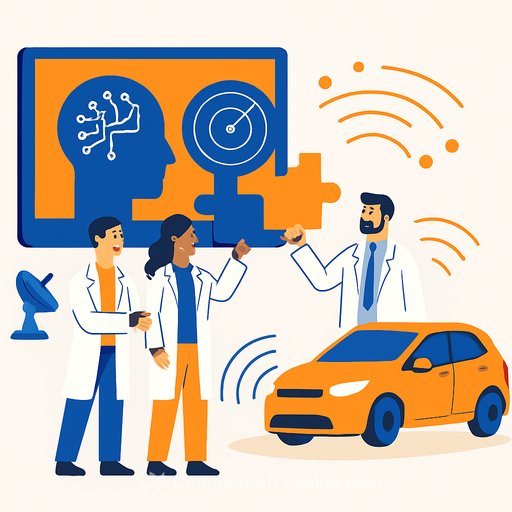
Three key players in automotive radar technology—bitsensing, KAIST's AVE Lab, and ZETA Mobility—have joined forces to develop and commercialise AI-powered 4D imaging radar systems. This partnership combines strengths in radar hardware, AI algorithms, and large-scale automotive data to push forward the capabilities of autonomous driving and advanced driver assistance systems (ADAS).
What Sets 4D Imaging Radar Apart?
Traditional radar systems measure distance, velocity, and direction of objects. The 4D imaging radar introduces a crucial fourth dimension: elevation (Z-axis). This extra layer of data improves object detection and classification accuracy, even in poor weather conditions. The ability to differentiate between vehicles, pedestrians, and infrastructure with higher precision makes this technology vital for safer and more reliable autonomous driving.
How the Partnership Works
- bitsensing provides its proprietary 4D imaging radar hardware platform.
- KAIST's AVE Lab focuses on developing AI algorithms for radar signal processing and sensor fusion.
- ZETA Mobility contributes large-scale automotive datasets and expertise in embedded AI systems.
The collaboration targets research and development, performance validation, field testing, and continuous technical improvements. This structured approach aims to prepare the technology for real-world automotive deployment.
Industry Impact and Perspectives
Jae-Eun Lee, CEO of bitsensing, emphasized the importance of combining radar hardware expertise with AI and datasets to deliver highly accurate and reliable radar solutions for autonomous vehicles.
Professor Seung-Hyun Kong from KAIST’s AVE Lab highlighted the unique strengths each partner brings, stating that this cooperation is key to advancing AI-embedded 4D radar technology and its commercialisation.
Hyunseok Lee, CEO of ZETA Mobility, noted that working together allows them to overcome technological hurdles and develop world-class autonomous driving systems.
Collaboration Roadmap
- Joint research and development efforts.
- Performance validation in controlled and real-world environments.
- Ongoing technical enhancements for practical automotive use.
The partnership’s phased approach establishes a foundation for broader adoption of AI-based 4D imaging radar technology in the automotive sector, supporting enhanced vehicle autonomy and more responsive driver assistance systems.
For IT professionals and developers interested in AI applications in autonomous systems, understanding the integration of hardware, AI algorithms, and large datasets is essential. Exploring advanced AI training courses can provide deeper insights into sensor fusion, embedded AI, and automotive data analytics. Resources like Complete AI Training's latest AI courses offer practical knowledge for those looking to expand their skills in this area.
Your membership also unlocks: