AI in Education: The Opportunity We Still Haven't Claimed
AI in classrooms is no longer a pilot. The question has shifted from "should we use it?" to "how do we use it well?" For curated resources and examples from practice, see AI for Education.
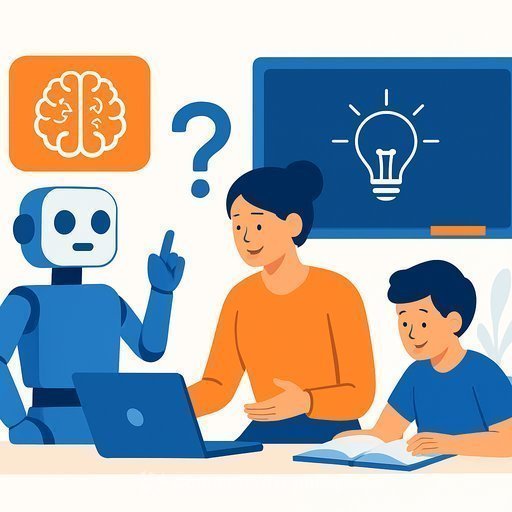
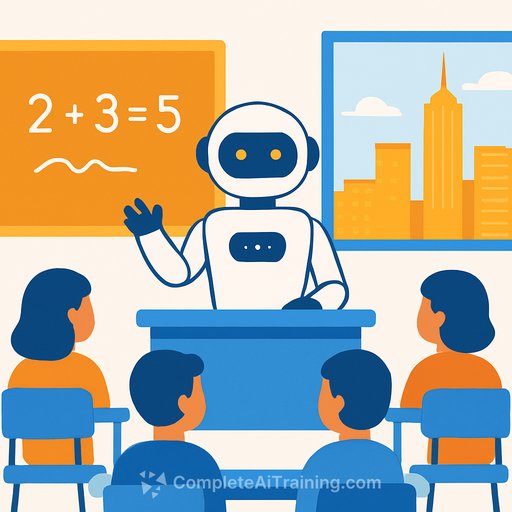
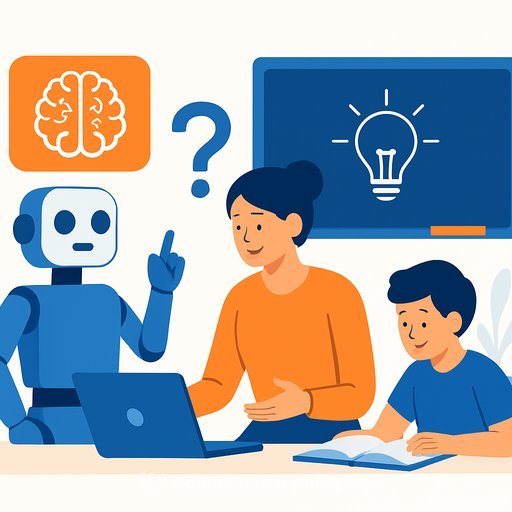
Used right, AI fixes the weak spots that have slowed learning for years: slow feedback, one-speed instruction, limited practice, and overloaded teachers. It does not replace teachers. It frees them to do the high-value work humans do best-connection, motivation, judgment, and context.
What AI Actually Improves (and What It Doesn't)
- Diagnoses current level and routes the right content and exercises.
- Gives immediate feedback and repeats material where needed.
- Lets students progress at an appropriate pace, not the class average.
- Reduces repetitive grading and admin so teachers can teach.
AI is a personal learning assistant running quietly beside the teacher. It reads patterns in hesitation, errors, and progress across time-insight you won't get from a weekly quiz or a letter grade. The outcome isn't less human teaching, it's better human teaching.
Engagement First: Motivation Beats Raw Ability
Many students don't stall because of ability-they stall because motivation and confidence fade. Adaptive challenges, instant feedback, and safe practice loops keep them engaged before gaps turn into failures. This is especially effective in languages, math, and sciences where repetition matters.
Equity at Scale
Personalized learning used to look like private tutoring. AI brings that level of support to far more students, regardless of zip code. Quality instruction becomes less tied to geography and more tied to access. That shift opens real pathways for learners in underserved regions to participate in a global knowledge economy.
System-Level Gains You Can Feel
Districts and ministries face teacher shortages, uneven quality, and rising demands for digital and language skills. AI helps personalize at scale while reducing low-value workload. Teachers spend less time managing and more time teaching. Students get more practice, clearer feedback, and visible progress paths.
The Market Signal
The global AI-in-education market was about $5.88B in 2024 and is projected to reach $32.27B by 2030 (31.2% CAGR). Demand is strongest in personalized learning, teacher support, language learning, and workforce training-areas where value is clear and measurable. Education won't stay static while the rest of the economy builds on AI.
How to Implement This Semester
- Pick one high-friction use case: feedback on writing, math practice, or language drills. Pilot with a small cohort.
- Set clear guardrails: acceptable use, age-appropriate limits, and human-in-the-loop review for high-stakes outputs.
- Integrate with existing systems: LMS, SSO, and data retention policies. Keep it simple for teachers.
- Train your staff: short, hands-on sessions focused on workflows teachers use every week.
- Measure outcomes: feedback speed, practice time per student, percent of standards met, and teacher hours reclaimed.
- Plan for equity: device access, offline modes, and language support for families.
- Communicate with parents: what the tool does, what it doesn't, and how data is protected.
What to Track (So You Know It's Working)
- Time-to-feedback per assignment.
- Practice minutes completed and streaks maintained.
- Standard-by-standard skill growth and gap closure over weeks.
- Teacher time saved on grading and admin.
- Student attendance, completion rates, and course pass rates.
- Student and teacher satisfaction (quick pulse surveys).
Practical Use Cases by Subject
- Languages: adaptive vocabulary, pronunciation checks, conversational practice with instant corrections.
- Math: step-by-step feedback, targeted problem sets, and scaffolded hints that fade as skill grows.
- Science: simulations, misconception checks, and short practice quizzes tied to standards.
Guardrails That Keep You Safe
- Adopt a simple AI use policy: where it's allowed, where it isn't, and who reviews outputs.
- Default to human oversight for grading and placement. AI suggests; humans decide.
- Limit data collection, set retention windows, and audit vendor privacy terms.
- Provide opt-outs and transparent documentation for families.
For ethical and practical guidance, see UNESCO's recommendations on generative AI in education.
For School Leaders and Builders
The core tech is ready. The gap is smart implementation that keeps teachers at the center. Let AI handle personalized practice, insights, and scale. Let humans handle meaning, motivation, and the moments that change a student's trajectory.
Next Step
If you're leading a school or department, upskill your team and run one focused pilot before the next grading period. For structured options, explore the AI Learning Path for Training & Development Managers. Start small, measure honestly, and expand what works.
Your membership also unlocks: