
AI news ·
Kentucky law criminalizing AI child sexual abuse materials takes effect
Kentucky law takes effect Wednesday, criminalizing AI-generated child sexual abuse images. Offenders must serve at least 85% of their sentence before parole.
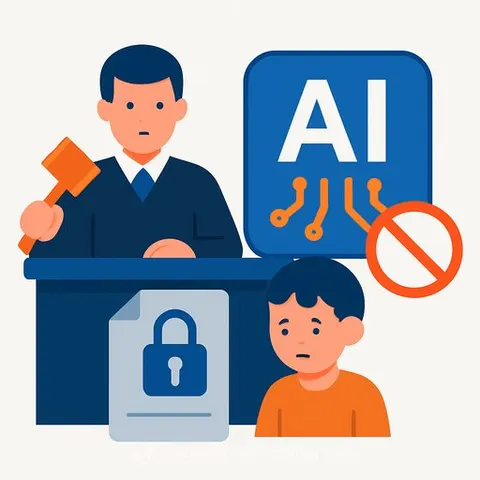
Kentucky House Bill 366 takes effect Wednesday, criminalizing the intentional possession or viewing of child sexual abuse materials-including images generated by artificial intelligence. The law also requires convicted individuals to serve at least 85% of their sentence before probation or parole eligibility, with specific carve-outs for legal and law enforcement professionals.
What the law covers
The statute explicitly targets AI-created sexual images of minors. By closing the loophole that previously existed for computer-generated content, Kentucky aligns its child protection laws with the reality that synthetic media can be indistinguishable from photographs. The law applies to anyone who intentionally views such material, not just those who produce or distribute it.
Exceptions for legal and law enforcement professionals
Lawmakers included exceptions for accidental viewing and for cases where the material is necessary for legitimate legal or law enforcement work. This means attorneys, paralegals, and investigators handling digital evidence in criminal defense or prosecution will not face liability when reviewing suspect files as part of their duties. For legal teams navigating the intersection of technology and criminal law, resources such as AI for Legal offer ongoing coverage of these evolving issues.
Stricter sentencing requirements
HB 366 mandates that anyone convicted under the statute must serve at least 85% of their sentence before becoming eligible for probation or parole. This removes earlier release options that previously existed for certain offenses and signals a tougher stance on possession and viewing crimes.
Why this matters for legal professionals
The law's AI-specific language creates new obligations for how evidence is handled. Defense attorneys and prosecutors alike must now determine whether an image is real or AI-generated, as the distinction no longer provides a legal shield. Paralegals and support staff who review discovery materials need clear protocols to avoid accidental exposure while still complying with discovery rules. For those building technical literacy in this area, the AI Learning Path for Paralegals provides guidance on AI's role in legal workflows. As more states consider similar measures, understanding the scope of AI-generated content will become a core competency for criminal law practitioners.