Kling 3.0 pushes AI video closer to usable creative assets
Kling just shipped its 3.0 video model and it reads like an all-in-one engine for multimodal work. The focus: stronger consistency across shots, tighter control, and better output quality for teams who need assets that hold up in edits and client reviews.
What's new for video
- Up to 15-second clips with more control over motion, framing, and pacing.
- Customizable multi-shot recording for building sequences that actually cut together.
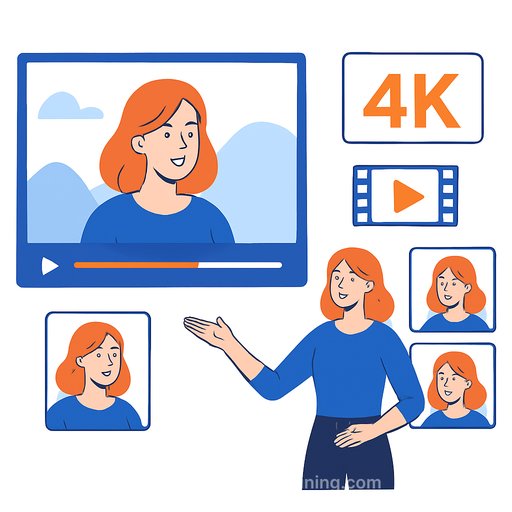
- Improved consistency for characters and key elements so your hero doesn't morph between takes.
Practically, this means you can block simple sequences: establish, action, reaction. Lock character references, set camera behavior, and produce clips that work as a rough cut before you step into your main editor.
Audio updates that matter
- Multiple character references for voice, plus more languages and accents.
- Easier alignment between voice and visual timing for cleaner delivery.
Great for animatics, social spots, and pre-viz. You can test voices against visuals early, pitch options to clients, and avoid rework later.
Stronger imaging for visual boards
- 4K image generation for sharper frames and thumbnails.
- New continuous shooting mode for exploring a scene across several beats.
- "More cinematic visuals" to push mood, lighting, and lens feel.
Use this to build styleframes, shot lists, and look dev. Generate a 4K anchor image, iterate in continuous mode, then lock decisions before you spend time on full sequences.
Access and rollout
Ultra subscribers get early access via the Kling AI website. A broader rollout is expected within a week based on early-access notes.
There's no public timeline yet for general release, API access, or full technical docs. The team did publish a paper on Kling Omni models in December 2025, but specifics for 3.0 haven't been posted.
How creatives can put this to work now
- Concept sprints: Generate 2-3 alt sequences at 15 seconds each. Compare pacing, tone, and framing before committing.
- Character bible: Lock character image and voice references, then re-use them across shots to maintain continuity.
- Pitch decks: Combine 4K frames, short clips, and voice tests to sell the idea fast without a long production cycle.
- Social content: Build repeatable formats (hooks, product beats, CTAs) with multi-shot control for consistent series.
Quick test workflow
- Write a 3-beat script (setup, action, payoff) that fits 10-15 seconds.
- Define character/prop references and camera behavior once; reuse across shots.
- Render clips, check continuity, then swap alt voices or accents to localize.
- Export key 4K frames for thumbnails and paid placements.
What to watch for
- How well character locks hold across multi-shot sequences.
- Timing precision with dialogue and music hits.
- Artifact control in fast action or complex lighting.
- Any update on API access for pipeline automation.
Early impressions are rolling in from creators with access. One helpful breakdown comes from the YouTube channel Theoretically Media.
If you're building a generative video stack or comparing tools, see the Generative Video tag for curated resources and guides.
Bottom line: 3.0 looks like a meaningful step for creating assets you can actually use-storyboards, shorts, and pitch-ready sequences-while we wait on wider access and technical docs.
Your membership also unlocks: