AI disclosure in healthcare: what patients must know - and what your team should do
AI now touches diagnostic imaging, clinical decision support, patient messaging, and back-office work. With 4.5 billion people lacking essential care and a projected 11 million global clinician shortfall by 2030, the pressure to deploy automation is real. World Economic Forum data underscores the access gap.
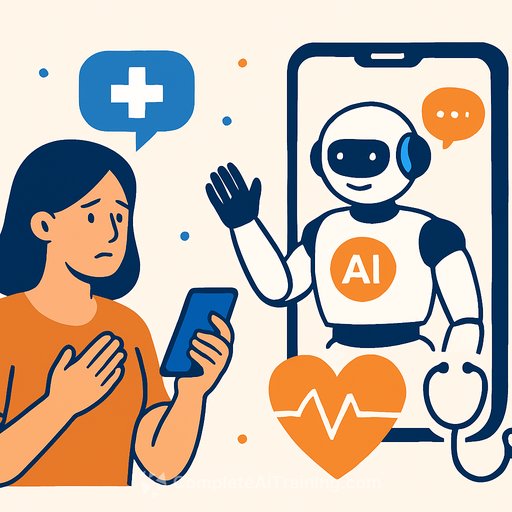
As AI gets integrated, the question isn't whether to use it. It's how to use it transparently. Patients expect to know when technology influences decisions tied to their health, coverage, or communication.
Why disclosure matters for trust
Transparency is a trust signal. Research across sectors shows people lose confidence when AI is hidden, even if results are accurate. In care settings, that trust gap turns into missed follow-ups, incomplete histories, and disengagement.
Patients stay on plan and share sensitive details when they believe decisions are ethical and accountable. Disclosure is the bridge that keeps that relationship intact.
HIPAA, informed consent, and AI
HIPAA doesn't single out AI, but its core duties still apply: explain how protected health information is used and safeguarded. If AI analyzes or generates clinical information with PHI, silence creates confusion and weakens trust. See the HHS HIPAA Privacy basics for context.
Disclosure also supports informed consent. Patients should understand material factors behind diagnoses, treatment options, and care communications. If a new device or procedure warrants an explanation, meaningful AI use does too.
What AI disclosure means in care settings
AI disclosure means informing patients or members when automated systems influence healthcare-related decisions or communications. This spans clinical messaging, diagnostic support, utilization review, claims processing, and coverage determinations. The goal: clarity, accountability, and trust.
Activities most likely to trigger disclosure
- Patient-facing clinical communications (messages, education, triage)
- Utilization review and utilization management
- Claims processing and coverage decisions
- Mental health or therapeutic interactions, including chatbots
Risks of not disclosing AI use
- Litigation exposure and regulatory scrutiny
- Reputational damage and patient churn
- Ethical concerns around autonomy, bias, and transparency
- Breakdowns in informed consent and care engagement
How states are moving on AI transparency
There is no single federal rule that covers broad AI disclosure in healthcare. States are filling the gap with a push for transparency where technology influences care or access.
California: communication and coverage decisions
AB 3030 requires clinics and physician offices using generative AI for patient communications to include a clear disclaimer and offer a path to reach a human clinician. SB 1120 applies to health plans and disability insurers. It requires safeguards when AI is used in utilization review, mandates disclosure, and affirms that licensed professionals make medical necessity calls.
Colorado: high-risk AI systems
SB24-205 targets high-risk AI used to materially influence approvals or denials of services. Entities must prevent algorithmic discrimination and disclose AI use. While broader than clinical settings alone, it directly affects access decisions.
Utah: mental health and regulated services
HB 452 requires mental health chatbots to clearly disclose AI use. SB 149 and SB 226 extend disclosure to regulated occupations, including healthcare, to ensure transparency in therapeutic and clinical interactions.
Other states
Massachusetts, Rhode Island, Tennessee, and New York are considering or enforcing rules that require disclosure and human review when AI affects utilization review or claims outcomes. Even when clinical diagnosis isn't directly addressed, the emphasis is accountability where AI affects access.
What this means for healthcare leaders
Expect to disclose AI consistently across clinical, administrative, and digital touchpoints. Patients will see disclaimers in messages, coverage notices, and portals. Your teams will need clear policy, training, and escalation paths to a human.
Action plan you can start this quarter
- Inventory AI use: clinical, admin, revenue cycle, member comms, and mental health tools.
- Map where disclosure is required by state law; set the highest common standard if you operate across states.
- Draft plain-language disclaimers for each touchpoint; keep them short and visible.
- Guarantee a human fallback for clinical and coverage questions, with response-time SLAs.
- Update Notice of Privacy Practices and consent workflows to reflect AI-supported processes.
- Stand up an AI governance committee with compliance, clinical, IT, legal, and patient experience.
- Log decisions, sources, and overrides; enable audit trails for high-impact use cases.
- Test models for bias and accuracy; document monitoring and retraining cadence.
- Train front-line staff on what to say, when to disclose, and how to escalate.
Plain-language disclosure examples
- Clinical message: "This message may include content drafted with AI and reviewed by our care team. You can request to speak with a clinician at any time."
- Utilization review: "We use automated tools to help review coverage requests. Licensed professionals make final medical necessity decisions. You may request a human review."
- Mental health chatbot: "This is an AI chatbot and not a human therapist. If you prefer, we can connect you with a licensed professional."
Governance checklist for disclosures
- Scope: Define which systems count as AI and which events trigger disclosure.
- Content: Standardize wording; avoid technical jargon; keep it actionable.
- Placement: Put disclosures near the interaction (message header, portal banner, IVR intro).
- Human access: Provide contact options and response windows; track completion.
- Compliance: Align with HIPAA, state laws, payer contracts, and accreditation standards.
- Measurement: Monitor patient sentiment, appeals, and complaint trends post-disclosure.
Key takeaways
- AI can extend capacity and support clinicians, but trust decides adoption.
- Disclosure is not red tape; it's how you protect consent, reduce risk, and keep patients engaged.
- States are setting transparency expectations. Build once, apply everywhere, and keep it simple.
Build team skills
If your organization is building AI literacy and governance capabilities, consider structured training paths for clinical and administrative teams. Explore curated role-based learning paths such as the AI Learning Path for CIOs and the AI Learning Path for Regulatory Affairs Specialists.
Your membership also unlocks: