Lawsuits Target Tempus AI Over Genetic Data Mining Practices
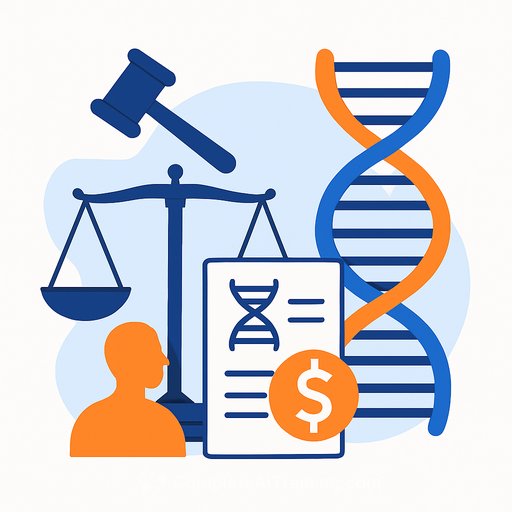
Tempus AI faces legal challenges over how it collects and uses genetic information to train algorithms for patient care. The suits arrive as regulators and lawmakers scrutinize the commercial use of DNA data.
The company maintains one of the largest repositories of genetic information in the United States. It uses this data to develop AI tools that doctors deploy in clinical decisions, from cancer treatment selection to drug response prediction.
The legal pressure reflects a broader tension in healthcare: the value of aggregated genetic data for medical research and AI development versus patient privacy concerns and questions about who profits from that data.
The Core Legal Issues
Plaintiffs argue that Tempus obtained genetic samples without adequate disclosure about how the company would use them. The suits claim patients did not understand their DNA would train commercial AI systems.
Consent and data ownership form the legal foundation of the challenges. Courts will examine whether patients gave informed permission for their genetic material to be repurposed this way, and whether companies can claim ownership of biological data once collected.
Tempus has not publicly detailed how it obtained samples or what consent processes it followed, leaving these questions for discovery and potential settlement negotiations.
Regulatory Attention Grows
Federal agencies have begun examining genetic data practices across the healthcare and biotech sectors. The Federal Trade Commission and state attorneys general have opened inquiries into whether companies adequately protect patient information and disclose commercial uses.
Congress has considered legislation that would require explicit consent before genetic data can be used for AI training. No bill has passed yet, but the momentum signals lawmakers view current practices as insufficient.
These cases will likely influence how healthcare organizations and AI developers handle genetic information going forward, regardless of the specific outcomes.
What's at Stake
For in-house counsel at healthcare systems and biotech firms, the Tempus litigation creates immediate compliance questions. Organizations need to review their own data collection practices and consent forms now.
The suits could establish legal precedent about whether patients retain rights to their genetic data after collection, or whether that data becomes the company's property once obtained. That distinction matters for future AI development in medicine.
Companies in this space should prepare for stricter consent requirements, potential damages claims, and regulatory scrutiny of their data practices. Documentation of how consent was obtained and how data is used will become critical evidence.
Your membership also unlocks: