Powering AI-Ready Data Centers: Legal and Infrastructure Challenges
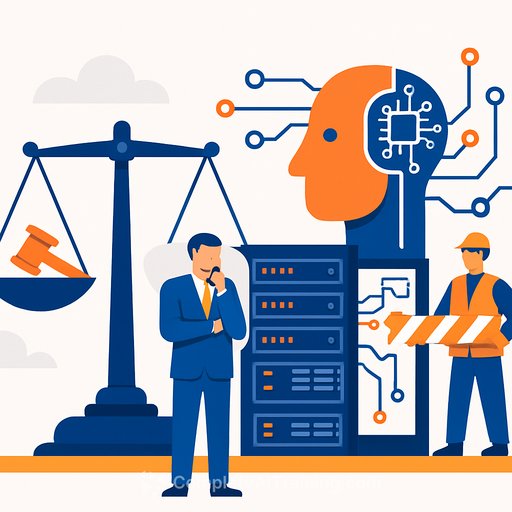
AI technologies are driving a surge in computing needs, which in turn creates extraordinary demands on data center power and infrastructure. AI-capable data centers require far greater power density, advanced cooling solutions, and higher reliability compared to traditional facilities. Meeting these demands involves overcoming legal hurdles and infrastructure constraints, especially in securing power agreements, addressing grid limitations, and managing complex permitting processes.
Key Takeaways
- AI data centers consume significantly more energy, pushing the limits of existing power infrastructure.
- Power Purchase Agreements (PPAs) must be carefully negotiated to ensure reliable and cost-effective energy supply tailored to AI workloads.
- Grid capacity constraints and aging infrastructure require innovative solutions like onsite generation and battery storage.
- State and federal regulations are adapting to the unique energy needs of AI data centers, demanding proactive legal engagement.
- Successful projects need coordinated expertise in financing, energy law, and technology contracts.
Rising Energy Demand
Training large AI models demands continuous high-performance computing over extended periods. This sustained load far exceeds traditional data center energy requirements. Specialized AI hardware, including GPUs and TPUs, produces more heat, necessitating more advanced cooling technologies. Current estimates place data centers’ electricity consumption at about 1 to 1.5 percent of total demand, with projections suggesting this could double as AI adoption grows.
To manage these pressures, operators are deploying advanced energy management systems and exploring energy-efficient hardware. Liquid cooling, for example, offers improved efficiency over air cooling, especially for high-density server setups integral to AI processing.
Strain on Power Infrastructure
Developers must carefully select locations with reliable and affordable power sources. Many favor areas rich in natural gas or explore emerging options like small modular nuclear reactors to ensure consistent supply. Increased data center demand strains utilities and grid operators, such as PJM and ERCOT, with rising connection requests exceeding historical levels.
The aging U.S. power grid complicates expansion, with upgrades requiring significant capital investment and slow timelines. Disputes often arise over who should bear these costs, with utilities seeking contributions from corporate users, while tech firms resist disproportionate financial burdens.
Innovative approaches include onsite generation, large-scale battery storage, and cooperative financing models to upgrade infrastructure. For example, OpenAI’s Stargate project is evaluating multiple states based on power availability, highlighting the importance of energy considerations in site selection.
Power Purchase Agreements and Development Considerations
PPAs are essential for securing stable, long-term energy supply. They come in two main types: Physical PPAs, involving direct delivery of energy, and Virtual PPAs, which are financial contracts supporting sustainability goals without physical energy transfer.
Negotiating PPAs involves addressing pricing models—fixed, market-indexed, or hybrid—and critical terms like curtailment provisions that govern service interruptions. Interconnection agreements cover technical and cost-sharing aspects and may include "make-whole" payments to compensate for power outages.
Delays in interconnection can disrupt project timelines and financing, so developers must understand regulatory frameworks at both federal and state levels. The Federal Energy Regulatory Commission (FERC) and regional operators are actively reviewing interconnection impacts and reliability risks associated with AI data centers. Meanwhile, states like Texas are considering legislation to better manage AI-driven energy consumption.
Legal Cross-Discipline Issues
Developing AI-ready data centers requires legal expertise across several areas. Financing attorneys structure capital deals to support large upfront investments while allowing flexibility for evolving technology and power needs.
Energy lawyers handle PPA negotiations, interconnection filings, and rate disputes, ensuring continuous access to affordable, reliable power. Staying current on regulatory changes is essential as policies adjust to AI infrastructure demands.
Technology and IP lawyers manage contracts related to licensing, service levels, data governance, and cross-border compliance, safeguarding operational integrity and proprietary technology.
An integrated legal strategy enables organizations to manage regulatory risk, optimize financial structures, and maintain operational flexibility in this complex environment.
Conclusion
The growing energy demands of AI data centers are reshaping power infrastructure and regulatory policies. Organizations must adopt adaptive legal strategies that address evolving challenges in energy procurement, infrastructure development, and technology operations to remain competitive.
For legal professionals working on AI infrastructure projects, staying informed on energy market developments and regulatory shifts is critical to advising clients effectively.
To explore further training on AI topics relevant for legal professionals, visit Complete AI Training - Courses by Job.
Your membership also unlocks: