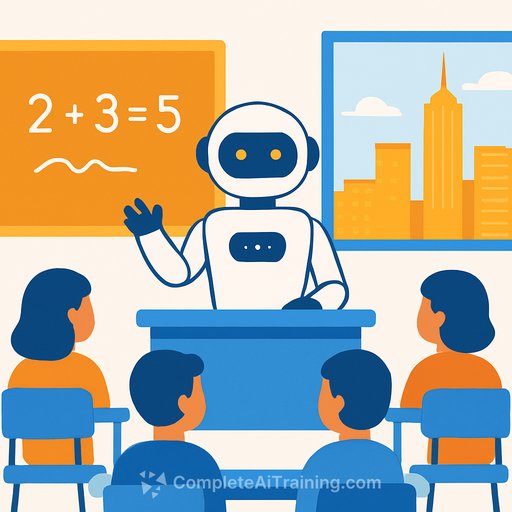
Student wellbeing isn't a problem you can fix with a camera
Quick tech fixes feel safe in a crisis. But education isn't about speed. It's about purpose. Before buying tools, decide what you're actually trying to build.
Emotional monitoring systems promise early detection. The trade-off is agency, trust - especially the quality of human connection. If we say we want reflective, self-aware students, constant surveillance pushes in the opposite direction.
Return learning to students. Give them voice, responsibility and room to grow. That starts with relationships, not dashboards.
What works better than surveillance
Strong schools make relationships a skill, not a slogan. That means helping students and adults build, sustain and repair trust - especially after conflicts or mistakes. You can't outsource that to software.
- Define the purpose: What does "wellbeing" look like in your context? Name 3-5 outcomes you can observe.
- Invest in staff: Train teachers in core relational practices (listening, de-escalation, repair conversations, trauma-aware routines).
- Protect time: Schedule regular check-ins, advisory blocks and teacher collaboration. Cut low-value admin to fund this time.
- Use AI as an assistant, not a judge: apply human-centred Design principles - draft reflection prompts, summarise meeting notes, prepare resources. No facial or emotion surveillance.
- Set guardrails: Opt-in use, clear consent, data minimisation, and human review for any wellbeing-related alerts.
For context on children's rights and AI risks, see UNICEF's policy guidance on AI for children here.
If your staff need practical AI skills that respect privacy and pedagogy, browse role-based courses at Complete AI Training.
Domestic workers deserve better places to rest
Weekend crowding on footbridges and pavements isn't the problem - it's the symptom. Workers have a legal day off and nowhere dignified to spend it. That's a planning gap, not a policing issue.
Education leaders can help. Schools are community anchors; many sit empty on Sundays. With the right agreements and supervision, campuses can offer safe, clean spaces that model respect and inclusion for students watching us lead.
- Partner with NGOs and local councils to open designated rest areas on weekends (halls, shaded courtyards, classrooms near facilities).
- Publish clear usage guidelines: capacity, cleaning, safety, and shared-respect rules.
- Invite student service clubs to support hosting, language help and cultural exchange.
- Collect feedback monthly to improve facilities and reduce nearby congestion.
Hospital fee adjustments: what schools can do
Fee changes aim to reserve A&E for urgent cases and curb misuse. Some families will hesitate to seek care, which can backfire. Schools can close the gap with simple health literacy.
- Teach "When to use A&E vs clinic" in life skills or homeroom. Share multilingual quick guides via parent channels.
- Train front office and social workers to triage calls and direct families to appropriate services.
- Partner with local clinics for priority slots and publish the process to parents.
- Track patterns: absences due to unmanaged conditions, repeat minor injuries, or delays in care. Respond with targeted education.
A simple action plan for this term
- Run a 60-minute staff workshop on relationship-repair conversations; practice with real scenarios.
- Audit wellbeing data: remove any tool that "detects emotions" without consent or clear benefit.
- Pilot a Sunday campus rest hub with an NGO partner; review after four weeks.
- Send a two-page "A&E or clinic?" guide to families; reinforce in assemblies and parent meetings.
The throughline is human dignity. Build systems that trust people, back teachers with training and time, and use technology as a quiet helper - not a spotlight aimed at kids' faces.
Your membership also unlocks: