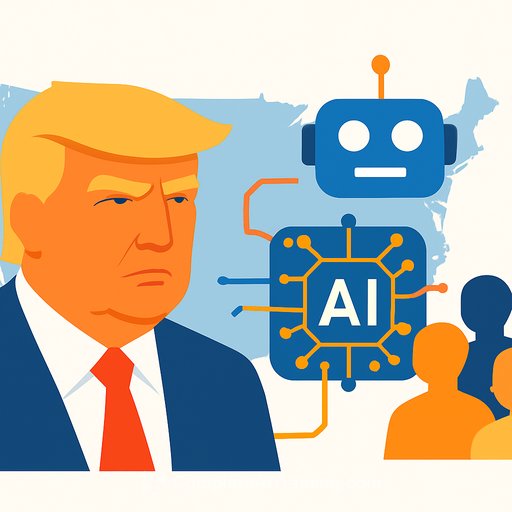
LLM vs LLB: The Case for Junior Lawyers is Undermined by AI
The rise of artificial intelligence (AI) is changing how legal work gets done, especially affecting junior lawyers and their career paths. Tasks that were once the bread and butter of entry-level lawyers—legal research, document review, contract drafting—are increasingly handled by AI tools.
The Impact of AI on Junior Lawyers
Junior lawyers build their expertise through routine tasks that AI can now perform faster and more accurately. This shift reduces the learning opportunities traditionally available in junior roles and threatens the value of those positions. For new graduates, this means fewer chances to develop critical skills on the job.
With AI taking over many foundational tasks, the legal job market and education systems face pressure to adapt. The classic path for junior lawyers is less certain, raising questions about how law schools and firms prepare the next generation of legal professionals.
The Need for Adaptation
Law firms must rethink hiring and training to keep pace with AI advancements. Instead of focusing on routine tasks, junior lawyers will need to develop skills that complement AI, such as critical analysis, strategic thinking, and managing AI tools effectively.
Law schools also have a role in this transition. Updating curricula to include AI literacy and practical experience with legal tech will better prepare students for the realities of modern legal practice.
Conclusion
As AI continues to take on tasks once handled by junior lawyers, the profession must adjust. Junior lawyers need to embrace new skills and approaches to remain relevant. The future depends on how well law firms and educational institutions integrate AI into their workflows and training programs.
For legal professionals looking to strengthen their AI skills, exploring specialized training can be a smart move. Resources like Complete AI Training’s courses for legal professionals offer practical pathways to stay competitive.
Your membership also unlocks: